
Newsfeed

Decoder Replay: In a “news desert”? Start your own site!
Corporate-owned local news sites are disappearing. But if you’ve got a nose for news, you can fill the gap.

Not quite what the doctor ordered
With so much health info online, many people scroll for medical advice instead of seeing a doctor. Is that bad?
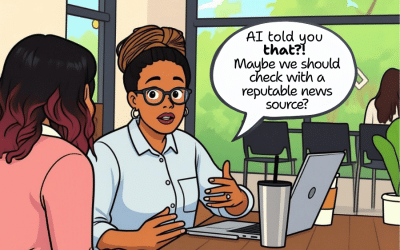
What’s the point of reading the news?
So many people avoid reading news they expect to be depressing. But checking in with established journalists might just help you make sense of it all.

Trusted news is something you turn to when you need it
When all hell breaks out you want to know what’s happening. But you can’t expect news producers to exist if you only support them when you think you need them.

Decoder Replay: Canada’s sticky position in the world
As Canada’s relationship with the United States sours, Europe looks to sweeten its ties to the Land of the Maple Leaf. Here is a taste of what that means.

An artist mourned by a multitude
The death of musician Zubeen Garg brought an entire Indian state to a standstill. When people turn stardom into selflessness they can touch millions.

A sea of gray
Imagine no entry-level jobs and a world with way more old people than young. How can a teen dream up a future?

Decoder Replay: When there’s no safe space to teach safe sex
People have sex in every state and country. But learning about sex? That varies greatly depending on where you live.

Shouldn’t a disease-preventing drug be accessible to all?
Some promising new drugs have been shown to prevent new HIV infections. But for now, it seems, they go only to countries that can pay.

Storytelling in a STEM class? Go figure.
Mastering concepts to ace a test is one thing. But to apply the concepts learned to something outside the class? That’s a different challenge.

Decoder Replay: How 9/11 still haunts us
When two planes crashed into the World Trade Centers in New York City on 11 September 2001 the world was forever changed.

Reporting stories far from home
To really understand the world you have to go out in it. Sometimes that means traveling far and telling the stories you find to the people back home.

Way beyond rote learning
In education, teachers work to build critical thinking skills, media literacy and social responsibility. But first we have to get teens to want to learn.
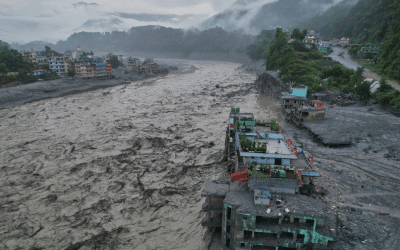
Decoder Replay: When glaciers melt off the mountains
The Himalayan mountains hold the largest concentration of ice and snow outside the polar regions. They are already melting.

When the algorithm tells you what to report
In India and across the world, journalists are finding that they must please a robot before they can get their story to an audience.

Let’s stop talking at teens
The world pummels teens with information and disinformation and expects them to sort it all out. And you are surprised when they just want to check out?
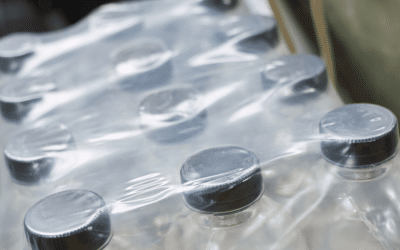
Decoder Replay: Can Europe lead the world off plastics?
A new EU law restricts the use of plastics in consumer products. How dependent on plastic are we? Let’s explore.

Decoder: Can we count on data our government provides?
People, businesses and organizations base their actions and decisions on data we get from the government. How reliable is that?

Book lovers find a museum they can tuck into
In a world where things move so fast, people travel from over the world to appreciate the timelessness of books written by human hand, on paper.

Decoder Replay: Can we control what teens do with tech?
Parents want to protect their children from harmful ideas. But when young people figure out ways past digital locks, is control over content even possible?
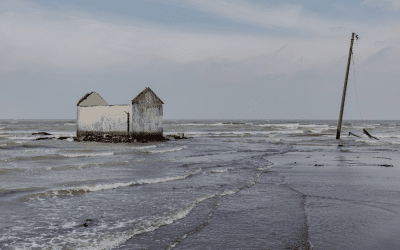
Encircled by the sea: A photo essay
For the people who live on a central Indonesian island, rising sea levels aren’t theoretical. Constant flooding has washed away homes, communities and livelihoods.

Social media bans shut door to those who lack safe spaces
LGBTQ teens who face hostility at home and school can find community online. That could end if their governments impose age restrictions on social media use.

Decoder Replay: News that just tells it straight
Many people live in information bubbles, getting news that aligns to their point of view. Is there still a role for unbiased information? Who reports that?
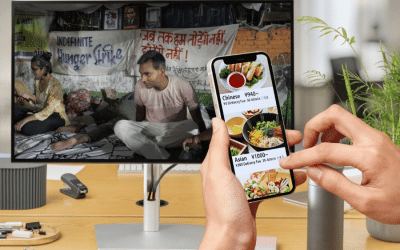
Meals for ideals
Thousands of students in India were able to sustain a protest with the help of food ordered by strangers from across the ocean.
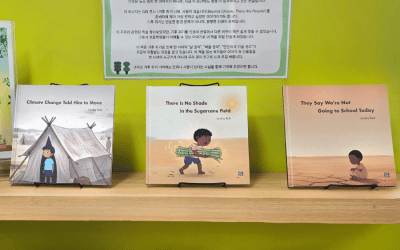
Why so few human stories within the climate crisis?
One high school student took it on herself to show children how climate change affects people throughout the world.
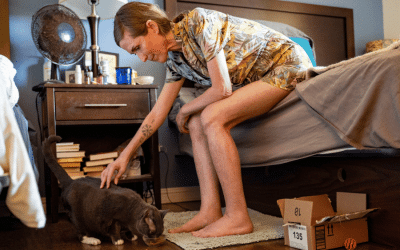
Decoder Replay: A flood of migration from climate change
Extreme weather events are forcing people out of their homes around the world. How can we better prepare for these population shifts?

Should someone get paid more than you for the same work?
It seems like a no-brainer: People should get paid the same for the same work. So why do women around the world still have to fight so hard for that?
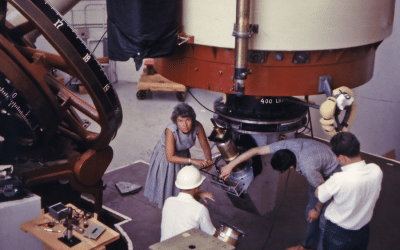
When women take up space
An invisible glue holding the universe together and launching telescopes into orbit: Those ideas came from women who elbowed their way into astronomy.

Decoder Replay: Do stars have super powers in politics?
Endorsements by big stars in the 2024 U.S. election didn’t change the outcome. Can British movie stars stop a big media merger?

Taking Chinese culture to the maxx
Are online trends that get people to adopt customs and traditions from other countries appropriate, or is it appropriation?

Is time running out to tame killer robots?
Wars are being fought by drones controlled by human operators thousands of miles away. What happens when we take the human out of that picture?

If innovation dehumanizes us, is that progress?
A new massive exhibition by Chinese dissident artist Ai Weiwei asks us to reflect: What are the costs of mass production and global trade?
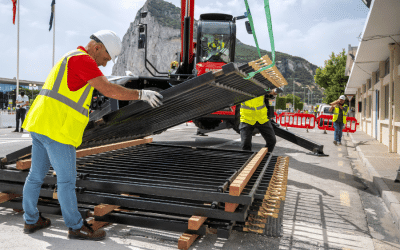
Decoder Replay: Do good fences really make good neighbors?
While Russia and Ukraine war over their shared border, other countries show that borders can come down or be changed without armed conflict.

A story everywhere you look
For Kaja Andrić, the best news stories are wherever she happens to be, whether it’s at News Decoder or the New York Times.

The resilience of history
As indigenous people in Peru harvest stories of their past tied to the rubber industry, governments and corporations find that history isn’t easy to erase.

Nothing brings the world together like the World Cup
You scream for your team and nation during the game. But when the final whistle blows, it’s time for hugs and handshakes all around.
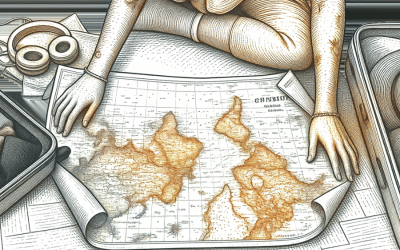
Decoder Replay: Draw your own map to the future
Technology and environmental changes happen so fast, we can’t picture the world five years from now, let alone 50. So how to best prepare for the unknown?

Can British voters stop the revolving door to being prime minister?
From David Cameron to whoever replaces Keir Starmer, why does British politics make voters, and the world, dizzy?
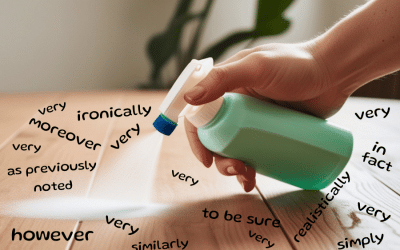
Take delight in deleting
Books that are difficult to read win literary prizes. But if you want everyone to read your work, don’t make it longer than it needs to be.
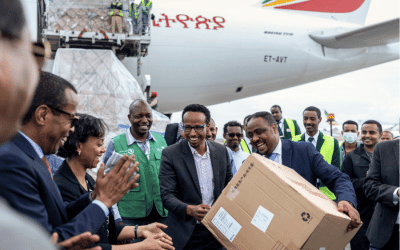
Decoder Replay: Global influence through medical aid
When a nation provides international aid for medical supplies and doctors it can gain allies around the world. Refusing aid builds resentment.
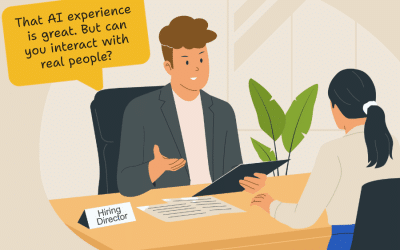
Can you tell a good story? That might get you hired.
Journalism seems old school. But the skills needed to be a good journalist are what many companies want for today’s jobs.

Decoder: A cease-fire is not a peace treaty
Bombs fly after a cease-fire is announced in wars in Ukraine and the Middle East. Are these announcements real steps towards peace or just a distraction?

Decoder Replay: To celebrate or denigrate?
How we think about the world depends on history we have accepted as true. But that version of the past relies on stories based on partial truths.
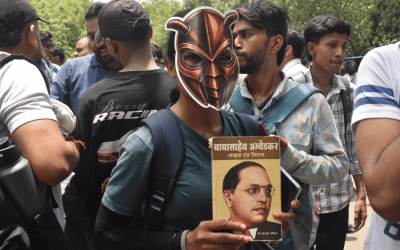
A different kind of cockroach infestation
Calling unemployed youth pests doesn’t make them go away. Instead, they are mobilizing for change in systems where they are treated with contempt.
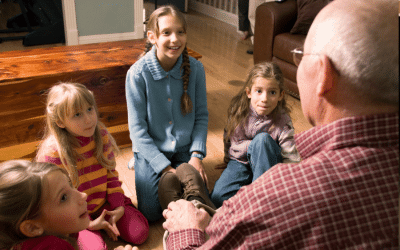
Did we ever tell you about the time …
So many news stories put people to sleep. To wake readers up, tell them a little story about one person’s experience.

Decoder Replay: Can any PM please British voters for long?
With the resignation of Britain’s prime minister we look back to the last change of government to understand what the British public wants from its leaders.

Young people want to be heard. Are you listening?
For our 11th birthday we brought together people from across the world, young and old, to explore the power of journalism and education to amplify voices.
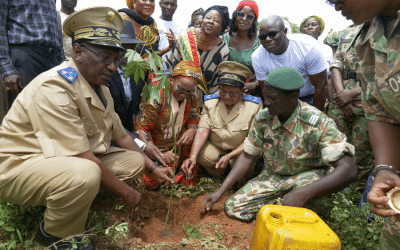
Decoder: Turning a desert green takes more than money
An 8,000-km initiative to regreen Africa excited donors. But its success depends on the sweat and patience of farmers willing to work with nature.

Can you hook your reader from the get-go?
To inform people you need to first get their attention. In journalism that’s the job of “the lead.” But crafting it is difficult.

Decoder Replay: Why ban social media?
Governments around the world are adopting laws limiting the use of social media. Let’s sort out some of the concerns.