

Check out some videos about photo and video journalism
Here are some helpful articles about photojournalism
Top Tips: Take photos that stand out
Anyone can snap a photo. But taking one that captures the heart of a story? That takes more effort and care. Here’s some advice to get you started.

Correspondents in the spotlight: Enrique Shore
Photojournalism can document what’s happening now and chronicle our past so we can create a new future. Enrique Shore has spent a lifetime doing just that.
The pen might be mighty, but in war it isn’t much protection
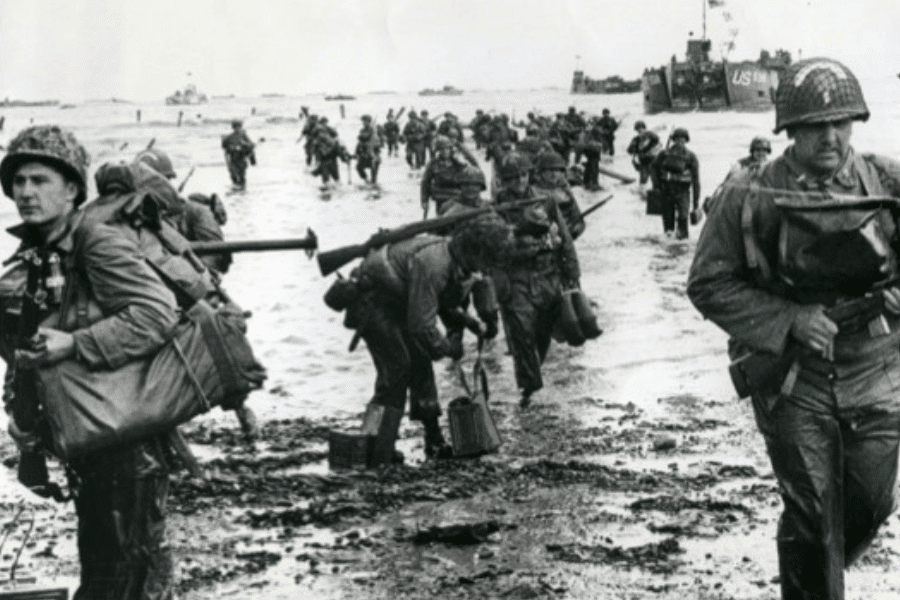
Accompanying the 156,000 allied troops who came ashore at Normandy on D-Day were 500 news reporters armed only with pens, paper and recording equipment. Correspondent Tira Shubart looks at what it was like to be a war reporter in 1944.
Exercise: Read the article and discuss the dangers journalists faced in the Second World War, the reasons why they chose to report and the difficulties they might have had in reporting. Imagine you are a WWII reporter. Write a journal entry describing a snapshot of what you experienced on a given day. For inspiration, search for photos or articles by Robert Capa, Martha Gellhorn or Lee Miller and use them as a starting point. Think about what happened before and after the article or photo. Keep in mind how the events you experienced had wider, cross-border importance and how your chosen event impacted the world.
With the 156,000 allied troops who came ashore at Normandy on D-Day were 500 news reporters armed only with pens, paper, cameras and recording equipment.

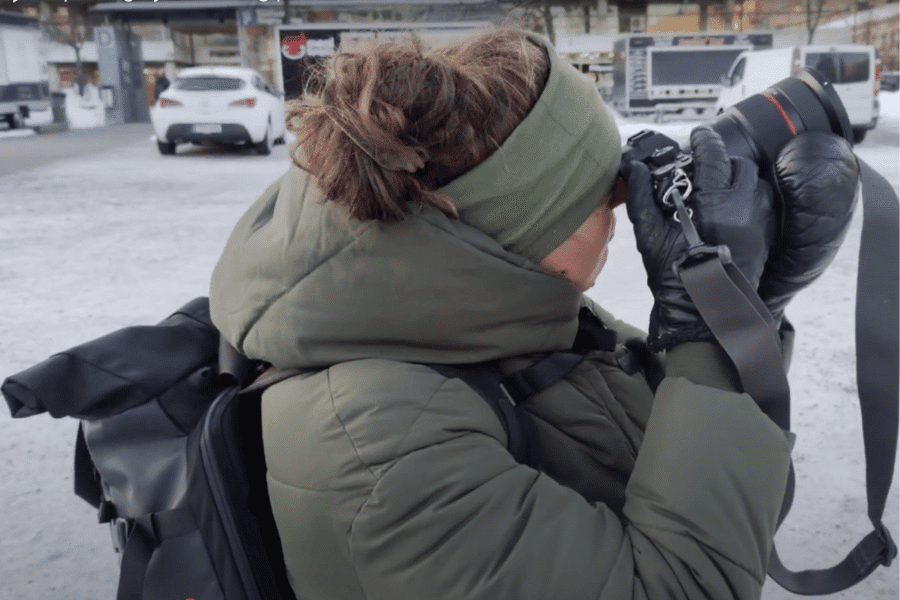
Top Tips: Capturing news with a camera is not a snap
Telling stories through photos doesn’t require an expensive camera and decades of experience. Students can be photojournalists too — so long as they’re prepared and know what makes an effective photo. In this piece, correspondent Norma Hilton covers tips for capturing news with a camera, while staying safe.
Exercise: Read the article with your class, then have students compile a list of photojournalism tips from the text. With these tips in mind, students will then go out into the local community to take photos of a newsworthy event (e.g. a student rally, school football game, mayoral debate, city council meeting, etc.). Can students capture an effective photo that tells a story? As an extension of this exercise, students can put together a photo essay and pitch their story to us for a chance to be published on our global news site.
Photojournalists tell stories through images. To do that they have to get into the thick of it.

Technology has revolutionized news photos — not its values
I got my start as a news photographer in the analog age. Technology has reshaped the tools of the trade, but human trust remains its watchword.

Want to take news photos? Then always be prepared.
Technology has revolutionized news photos since I launched my career decades ago. But the maxim “always be prepared” still holds true.
These open-access activities are made possible by the generous support of News Decoder donors around the world. To help sustain and expand these free educational resources, please consider making a donation today. Thank you!