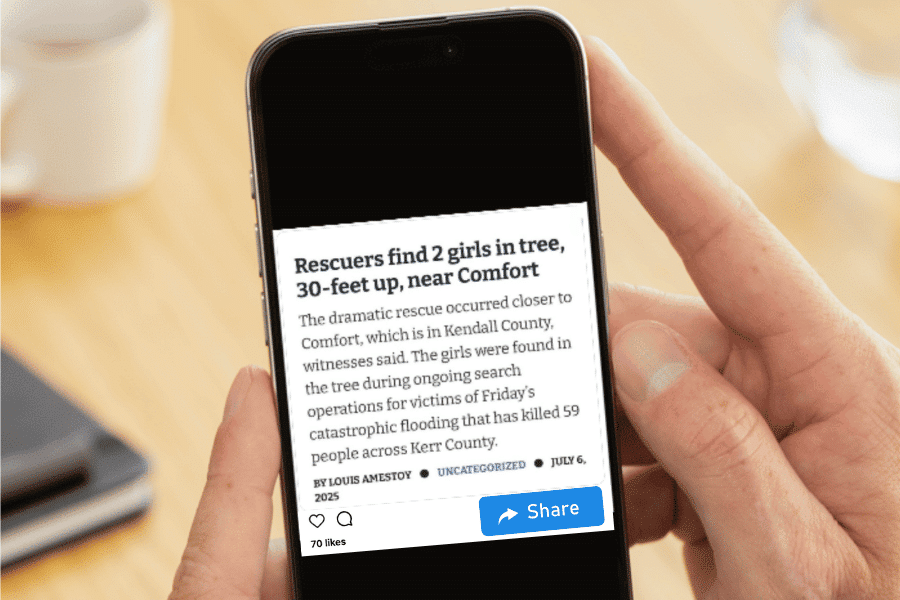
Sometimes we feel compelled to share or repost what we read. But when we do, we might unwittingly spread disinformation. Beware of “copypasta.” A phone with a copypasta post on it. (Illustration by News Decoder) This article was produced exclusively for...
We live in an age of disinformation. But most journalists try hard to report the truth without being sneaky or causing harm in the process. They follow a code. A reporter is handed a classified file in a parking garage. (Illustration by News Decoder) In News...
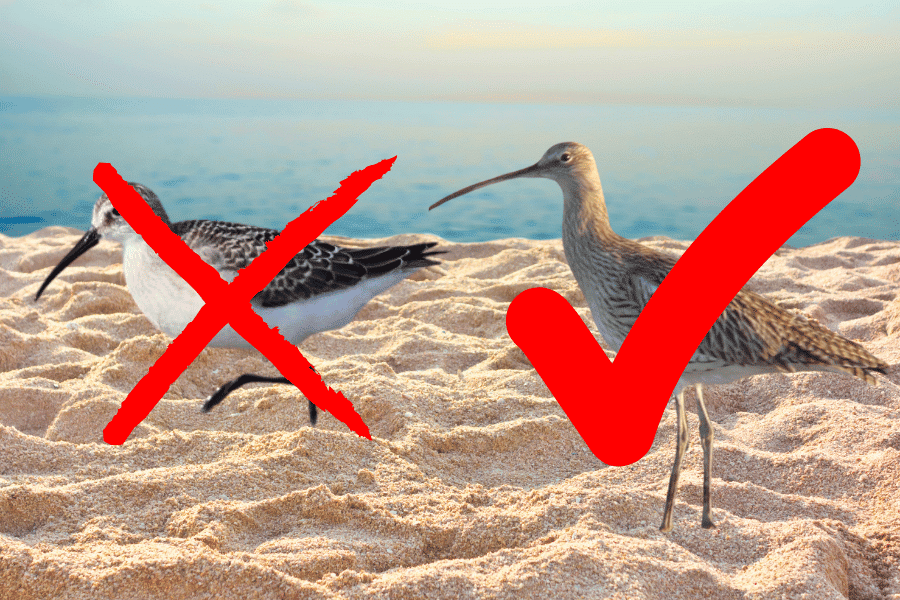
Everyone makes mistakes. To be credible you have to fess up when you get things wrong. Doing so doesn’t make you look bad. It shows you care about the truth. Two photos of birds. The left one is a curlew sandpiper and is covered by a big red X. The other is a...
It is hard to tell if information has been aggregated when you find it on the internet. Getting a story right means tracking down the original source. People play a game of “telephone.” (Illustration by News Decoder) In News Decoder’s Top Tips, we...
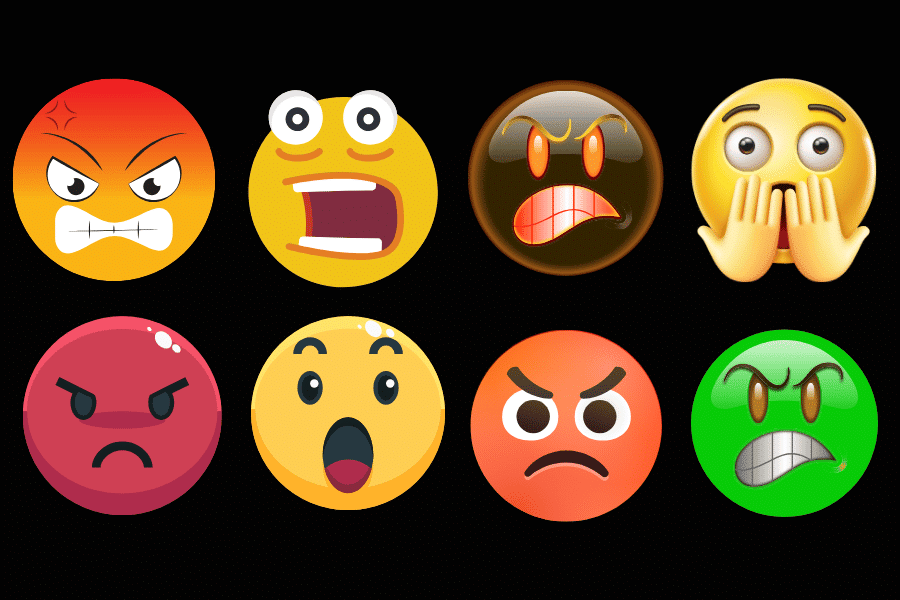
Meta has told an army of fact checkers they are no longer wanted, deeming acceptable what was once considered outlandish and offensive. A set of reaction emojis commonly used on social media. This article was produced exclusively for News Decoder’s global news...
Conspiracy theories are fun to argue about but they are dangerous ideas to spread. Here’s some ideas to help you avoid doing that. Two teens discuss conspiracy theories. (Illustration by News Decoder) In News Decoder’s Top Tips, we share advice for young...
Journalists are trained to be objective. But what does that mean and where did that idea come from? And is it achievable? A handwritten telegram informing the world of U.S. President Abraham Lincoln’s death written on 14 April 1865. (AP Photo/Matt Rourke)...
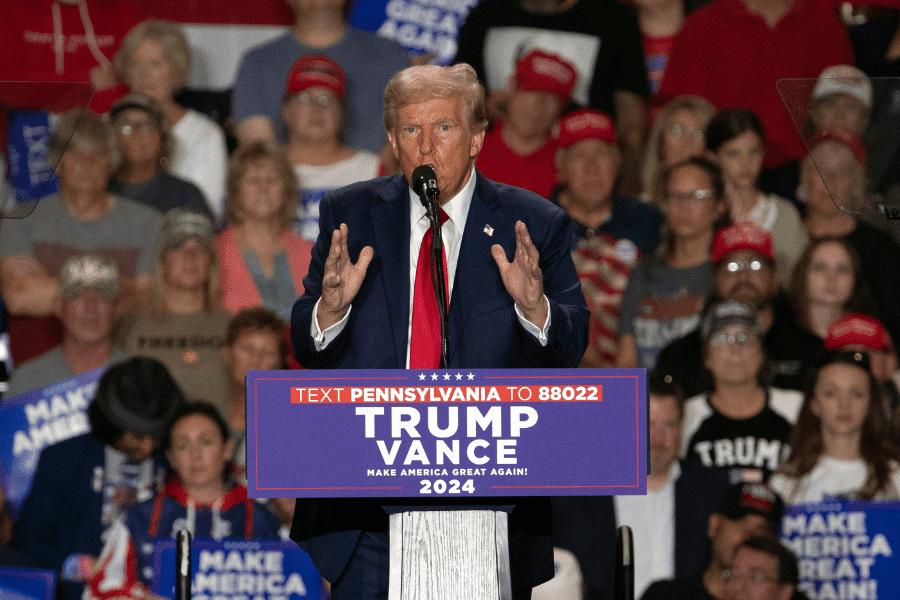
U.S. presidents have often twisted the truth. But Donald Trump has flooded the media with falsehoods in a unique challenge to democratic institutions. Republican presidential nominee former President Donald Trump speaks during a campaign rally at Bayfront Convention...
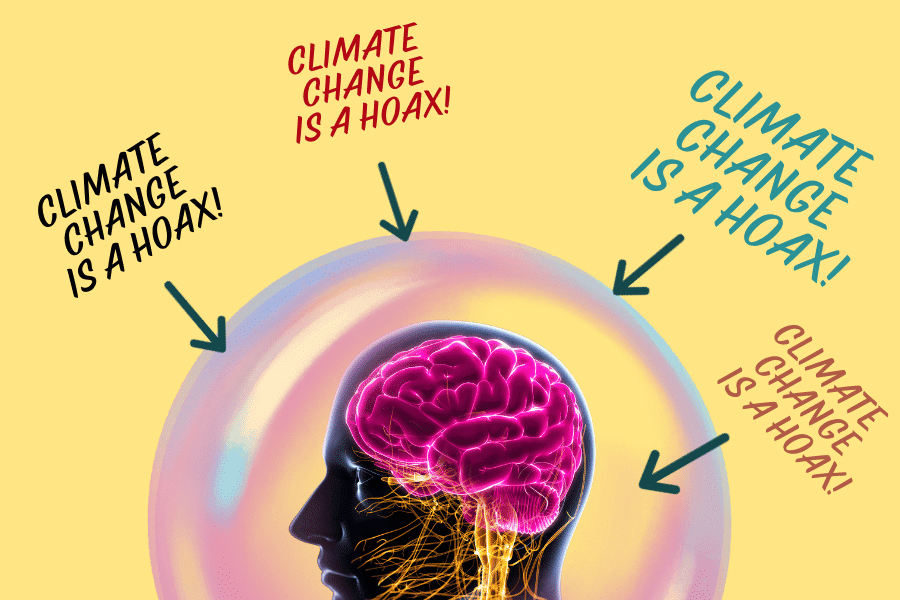
Why do so many people believe ridiculous things? Maybe because they read these things over and over. Can we stop the spread of dangerous misinformation? A man in a bubble hears repeatedly that climate change is a hoax. (Illustration by News Decoder) Journalism and...
Marcy Burstiner explores the dangers of repetition in the spread of misinformation and why if you repeat something untrue enough times and people just might start to believe it. Use this exercise to investigate how information is created and spread, to tackle fake news and rumor and to develop research skills, critical thinking and media literacy around news consumption.
Exercise: Choose a piece of news or advertising that you know to be inflated, untrue or explore an urban myth. Look into how this news became popular belief. Why did it gain popularity? What forces might be behind the spread of this information? Who does the narrative benefit? To start, you could work through a case study from this website as a class. Students then choose their piece of news to prove true or debunk as myth.
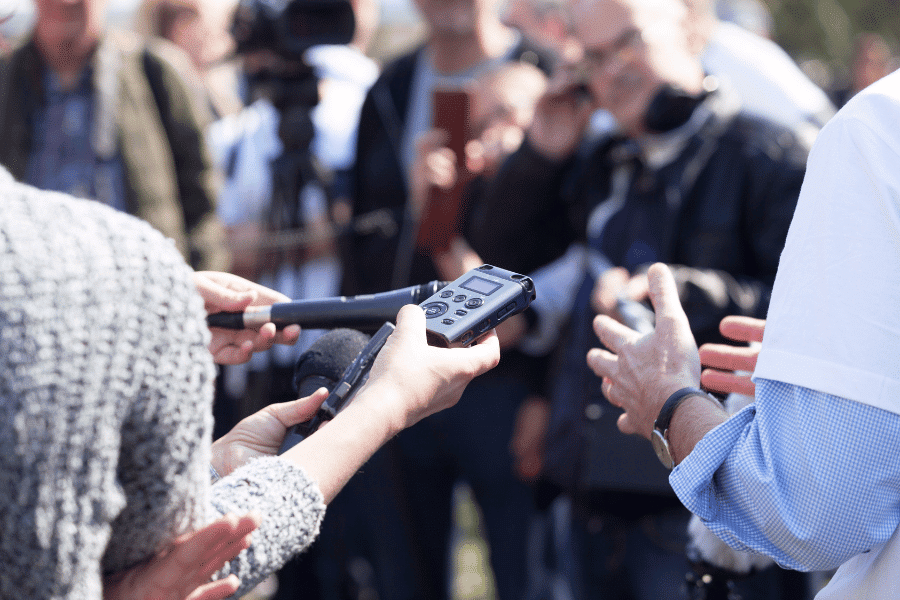
A news story is only as good as the sources of information the reporter relied on. And figuring out where to find trustworthy information is a challenge. A reporter records an interview. (Mihajlo Maricic/Getty Images) Journalism and activism can be powerful tools for...