We need to mitigate climate change. Only governments have the cash for that. Are they ready to pony up? The Earth is surrounded by dollar bills. Illustration by News Decoder. Editor’s note: On 4 April 2024, the United States Environmental Protection Agency...
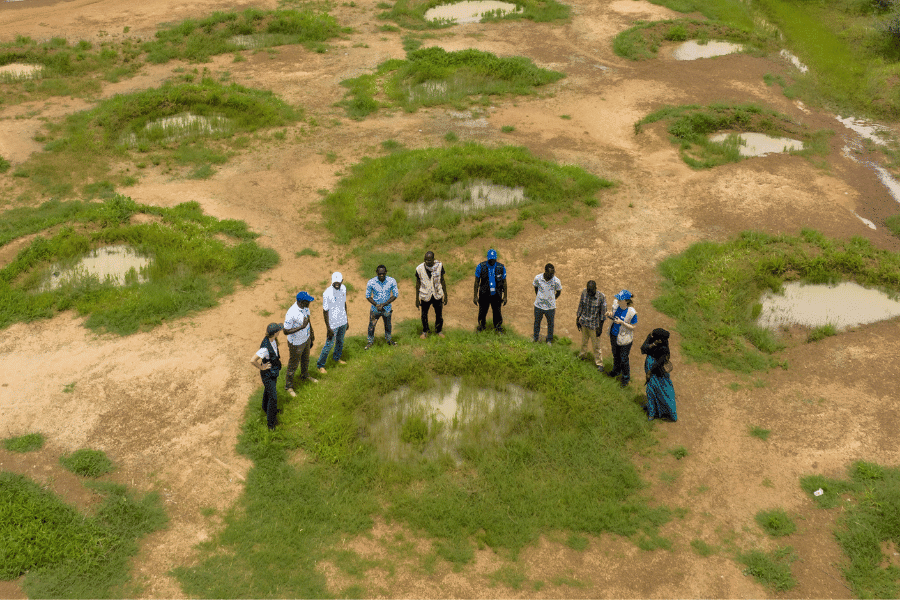
Little grew in the Sahel region of North Africa, until the World Food Program helped people revive a traditional farming practice and resuscitate the land. Resilience land rehabilitation site in Niger during the rainy season. Photo courtesy of the World Food...
The small island nation of Barbados is leading the call for international finance reform needed to fight the impacts of global warming. The world is listening. From the left, Prime Minister of Barbados Mia Mottley, Netherlands’ Minister of Finance Sigrid Kaag,...
June to August 2023 were the world’s hottest months on record, meaning the stakes are high to address climate change for all. This is especially true for small island nations and developing countries who do little to contribute to climate change, but disproportionately suffer its consequences. Correspondent Susanne Courtney digs into Barbados Prime Minister Mia Mottley’s plan to level the climate financing playing field in this Decoder.
Exercise: Inequities in climate financing loom large. Read the article with students, then have them explore this interactive visualization of historical greenhouse gas emissions by country and region. How does your country or region’s emissions compare to those of the world’s largest emitters? Create an infographic depicting this information, including a call to action for students to promote climate action in their local communities.
We need to mitigate climate change for developing countries who have done comparatively little to harm the planet. Is there cash in the bank for that? This article is the ninth in a series of decoders examining critical aspects of climate change. They are part of a...
COVID-19 has given media firms in Africa a chance to create TV shows that teach science to children and challenge outdated gender norms. (Photo courtesy of N*Gen) COVID-19 lockdowns put the brakes on learning for children across Africa and around the world. It also...
COVID-19 has kept many students around the world at home, setting back their intellectual development despite efforts to pivot to virtual learning. In Africa, creators using media to educate youth have taken advantage of the situation and a widespread lack of Wi-Fi to create TV shows that teach children about science and sexual health while challenging gender stereotypes. Correspondent Susanne Courtney has spoken to experts in science and entertainment to explore a silver lining in the otherwise dire pandemic.
Exercise: Ask your students to identify a positive outcome in their community stemming from the coronavirus pandemic. It could be a business that took advantage of the situation to pivot or increase sales, or new investments in hitherto neglected areas.