
Report
Reporting is the second step in the process we call PRDR: Pitch, Report, Draft & Revise.

After an editor has accepted your pitch, it’s time to begin reporting. Reporting is the process of gathering information through:
- Research
- Interviews
- Witnessing events
Reporting is a skill that can be learned like any other. Here are some guidelines to help youproduce a publishable News Decoder story:
¤ Conduct at least one interview with an expert. Your story will need full quotes — that means something someone says word for word, but the quotes can be short as long as they are full sentences.
¤ When interviewing, take good notes even if you are recording the interview. Don’t try to take down everything the person says, but try to get those full quotes, when possible. Don’t be afraid to ask someone to repeat something they said!
¤ Use other news articles to inform your questions and find experts, but try not to rely on them for your story.
¤ Collect “color” if possible – descriptions of what your five senses experience – that will bring your story alive.
¤ Tell your editor if you cannot meet your deadline and set a fresh deadline.
Below, we walk you through the process. And scroll down for tips on reporting and interviewing.
How do you start?
Reporting is a process. Let’s take you through it.
1. Conduct research
Find information and data from primary sources: Look for reports, studies, academic papers, books and surveys that have been published by reputable and authoritative sources. Check out organizations like UNESCO, the World Health Organizaion, the Pew Research Centre or search for scholarly journals.
Stay organized. Save copies of reports, studies and papers to your computer, or the hyperlinks to them if they’re accessible online. You will need to cite all the sources for any information you use in your story.
2. Conduct interviews
Stories without human sources can be tedious reads. Quotes from human sources humanize your story and make it distinct from other stories in other publications about the same topic. An expert will help put into perspective the information you find in your research.
Secure the interview: Reach out to an interviewee by email, social media or phone. Be polite, respectful and persistent! You may have to follow up once or twice. Identify who you are; where you go to school; why you want to interview that person; where the information from your interview will appear (such as in a News Decoder story or school essay); and how long the interview will take (i.e. 10-15 minutes).
Prepare for the interview: Research the interviewee’s background: where they live and work, what they do, and what they have previously said or published on the subject in question. This will demonstrate you are prepared, well-informed and mature. Prepare a list of questions based on their expertise and the research yo have done.
Capture the interview: Take good notes, highlighting key sections and making clear when what you have is word for word — do this by setting those sections in quote marks. Make sure you only put quote marks around anything only if the material is word for word what the person said. Otherwise you will be paraphrasing. If you want tto record it, you need to tell the interviewee that you are doing so.
Clarify how you will use the information you get from the interview. Before you begin, go over again that the story will be for publication. Ask them how they spell their name and what their title is.
After the interview: Make sure you thank them for their time and get from them a good way to contact them for follow-up questions. They may want to see the story before you publish it, but we don’t do that at News Decoder. Instead, tell them you will read to them any quote you use in your story and tell them how anything they said to you will appear.
3. Witness something happening
If you’re producing a story on something that is happening in your school, community, state or country, consider whether there’s a way for you to witness some aspect of the event and incorporate what you learn into your story.
Keep the these tips in mind when covering events:
Gain access. Consider whether you’ll need permission to attend an event. If so, contact someone in advance to request approval to attend.
Be prepared. Obtain the equipment you’ll need to effectively capture information in the moment, such as a recorder, notepad, phone or camera.
Be observant. Pay attention to details about the physical space and the people who are there. You can transport readers to the scene by sharing interesting details that you witnessed. Engage all of your senses.
Interview those around you. Conduct spontaneous interviews with individuals at the scene. Ask questions that aim to understand what brought the person to the event and what they think or feel about it.
Safety first! Never put yourself at risk to be a witness. If you have concerns about your ability to safely attend an event, consult your teacher, parents or News Decoder.
I’ve finished reporting. What’s next?
Once you’ve finished gathering information from your research, interviews and reporting, you’re ready to start drafting your story!
Want some help in interviewing and reporting? We’ve got you covered!
Reporting & Interviewing Essentials Workshop
Check out this workshop we did for high school students like yourself.
Reporting & Interviewing Essentials Video
Swedish reporter Lisa Horn gives you her five tips on interviewing.
How to report an event
Reporter Norma Hilton gives you some tips on how to prepare for and cover something happening around you.
Find a news story near you
Journalist Milja Ångerman gives her tips on how she finds newsworthy events in her community.
Find reliable sources
Investigative reporter Matt Drange gives you tips on sorting out your sources.
Want even more reporting tips?

Did we ever tell you about the time …
So many news stories put people to sleep. To wake readers up, tell them a little story about one person’s experience.
Could you be an investigative reporter?
Investigative reporters make good movie characters. In reality, the work isn’t sexy or exciting. But it is important. And more important, even you can do it.

Can you tell fact from fiction?
On International Fact-Checking Day, we recognize the many ways truth has blurred and the ways people are working to separate what’s real from what’s false.

When the clock ticks
To succeed in journalism, and most other careers, you need to be able to meet deadlines. How hard can that be?

Can you believe it?
We live in an age of misinformation. Here are ways you can make sure you aren’t part of the problem.

Which way do you lean?
Many ethical journalists try to eliminate bias from their stories. But how possible is that and can you end up deceiving yourself and your readers?

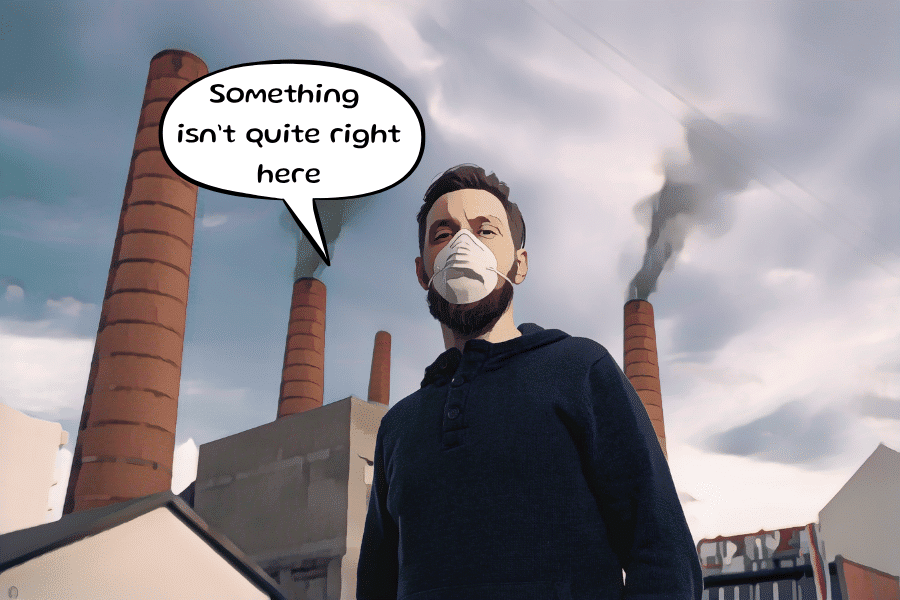
When a company’s enviro claims sound convincing …
Greenwashing is when corporations use eco-sustainability as a marketing tool. But can you tell if they’re for real? Here are some ways you can check them out.

The people you interview will bring your story to life
Before you start interviewing people you need to know what part they play in a story. Only then can you reach out to them.

You have a story idea. Now what?
There is a story you want to tell. But how do you convince an editor to green light it? That’s the art of the pitch.

Should you give equal voice to all perspectives?
One expert says one thing, another something different. So how can you know what’s what? Here are some tips to figuring out what to believe and what to report.