
Parents want to protect their children from harmful ideas. But when young people figure out ways past digital locks, is control over content even possible?
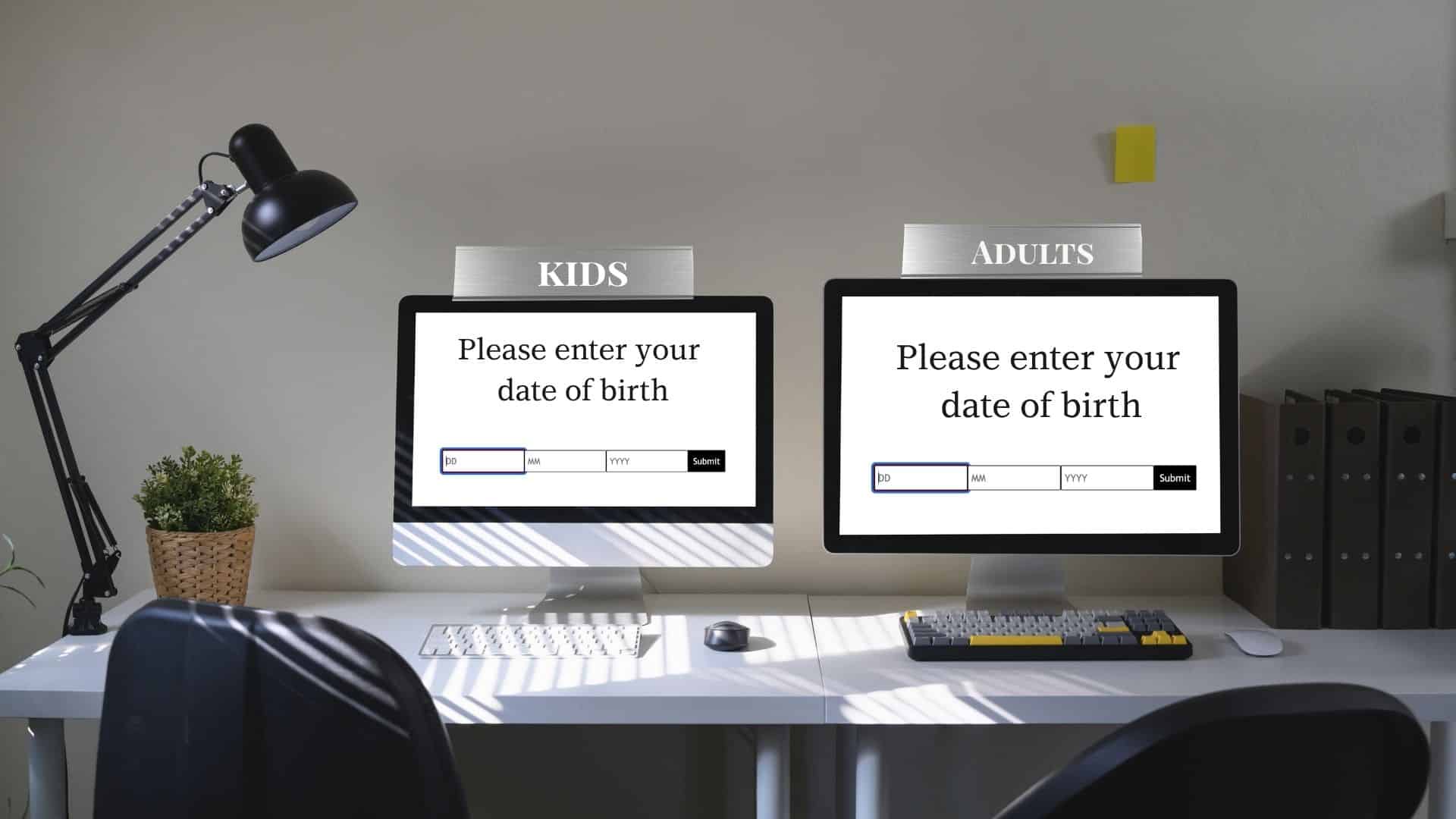
A U.S. passport and birth certificate. (Illustration by News Decoder)
Editor’s note: On 17 August 2026, the company OpenAI released a new version of its artificial intelligence app ChatGPT. Geared for young people, it changes the way they will interact with an AI chatbot when discussing such things as depression and suicide and it will respond in different ways if it appears the person is working on a school assignment.
In stories for News Decoder, high school students across the world have been exploring how their peers use artificial intelligence and the effectiveness and necessity of media bans.
To help put into perspective this latest action by an information company to ease our fears of how technology affects our children and teens, we present you with some of the stories our students have published related to these topics. We launched Decoder Replay to help readers better understand current world events by seeing how our correspondents and students decoded similar events in the past.
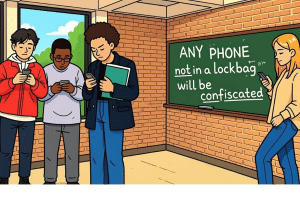
Who decides? The fight over teen phone use in schools
Schools are limiting how and when teens can use their phones. But some students say: Maybe give us a heads up first and ask what we think? Teens use phones in a school hallway even though a chalkboard tells them it is against the rules. By
Weighing the good and bad of technology
Many argue that technology comes with high social and environmental costs. Others say innovation will save our planet. Can both be right? By African Leadership Academy

Are smart phones at school all bad?
Across the world, schools are banning phones. But parents want to keep connected to their kids and students and some teachers find they can enhance learning. By Charles Norris, The Tatnall School
What if “sweet sixteen” meant “social media, at last!”
In response to pressure from parents, politicians in Switzerland and elsewhere are considering social media bans. But teens say that won’t solve the problem. By , Realgymnasium Rämibühl Zürich

Should schools limit what kids can read?
Curling up with a good book is a basic pleasure. But these days doing just that might be a political statement. By
Silencing voices by banning books
When groups try to keep books off library shelves, they close off young people to new worlds and perspectives. By

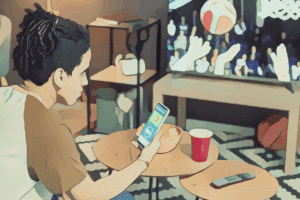
Do teens gamble on sports? You bet!
Sports betting sites are supposed to be off limits to minors. But odds are, many teens get past the barriers. By
How one young woman broke free of a media addiction
When the screen becomes your escape from depression, can you find a way to face the reality around you? By
