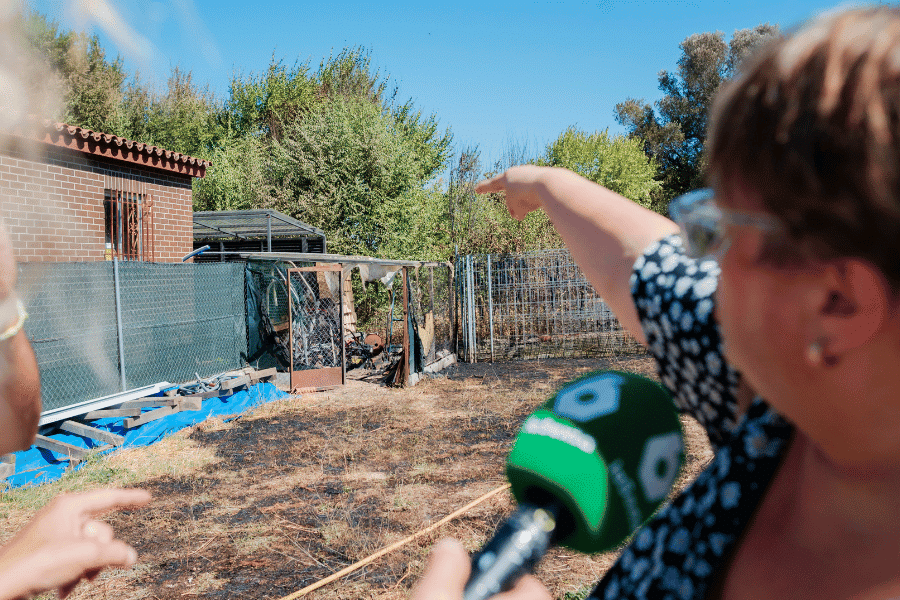
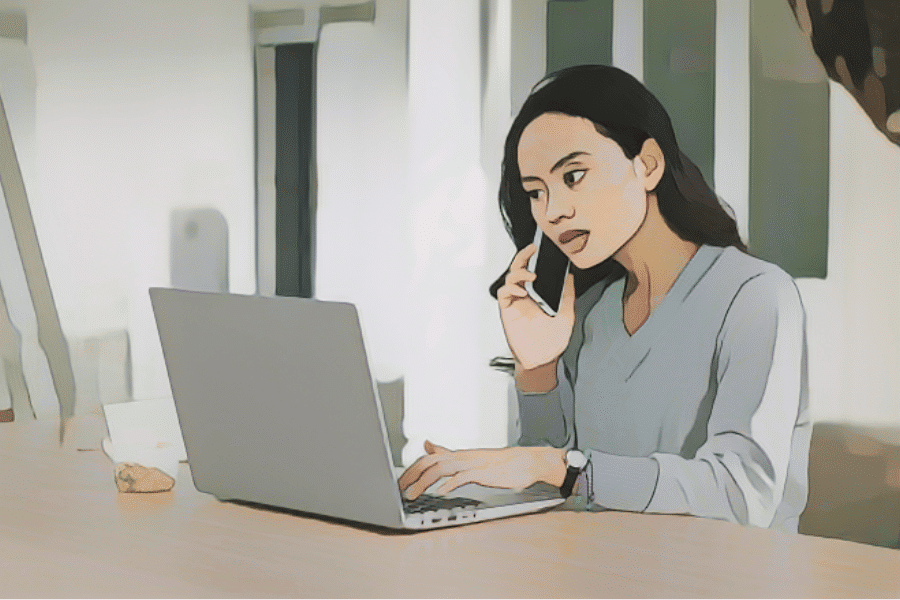
Sure, you can Zoom someone in on your laptop or chat over WhatsApp. But when you go out to an event or interview you come back with so much more. A woman tells a journalist about her experience after a fire broke out in the Calypo housing development in Toledo, Spain,...
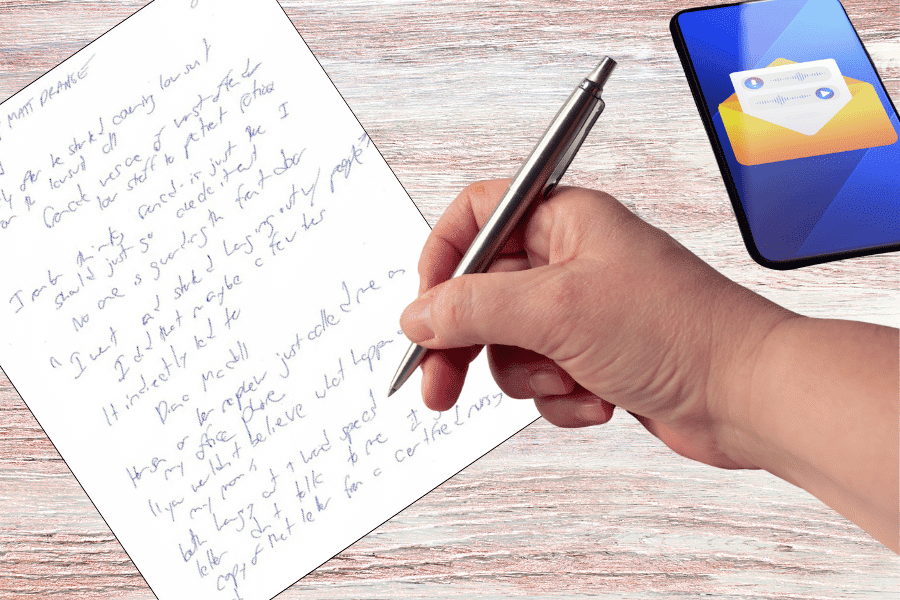
Recording interviews can make for lazy listening. Good journalists take good notes. Pages and pages of them. It takes practice. A hand holds a pen over a sheet of messy notes with a recorder in the background. Illustration by News Decoder. In News Decoder’s Top...
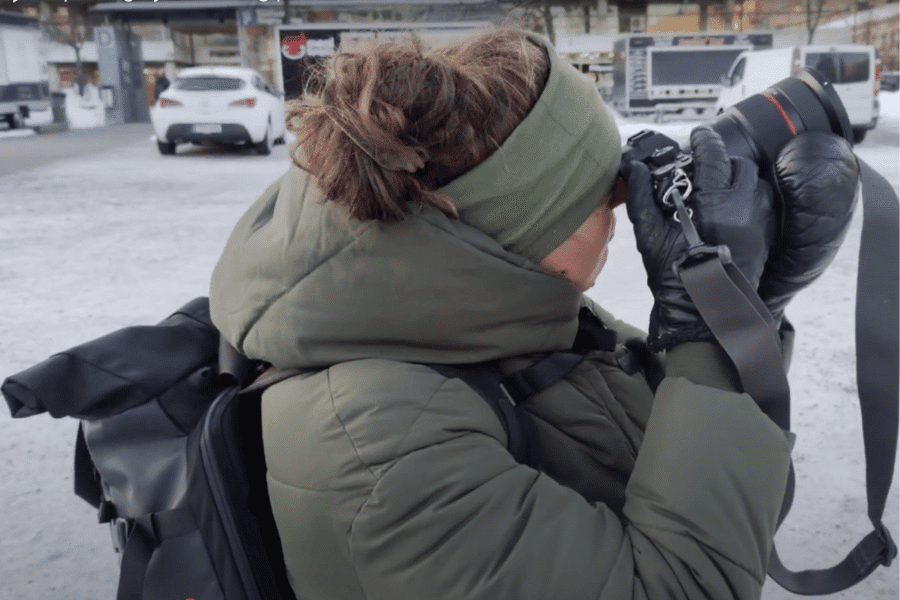
Anyone can snap a photo. But taking one that captures the heart of a story? That takes more effort and care. Here’s some advice to get you started. A photojournalists takes a shot. Photo courtesy of Mobile Stories. In News Decoder’s Top Tips, we share...
When you interview someone you might be more nervous than the person you interview. Here’s some tips for setting yourself at ease so you can get great info. Man being interviewed by a woman. (Credit: Gustavo Fring/Pexels) In News Decoder’s Top Tips, we...
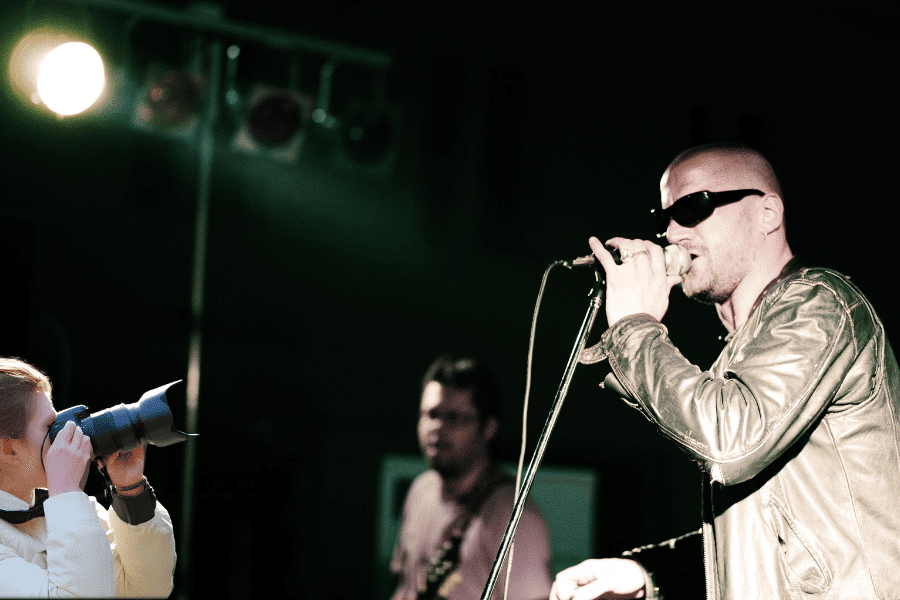
The journalism field prizes expertise. That gives you the ability to turn your passion into a career. You just have to start early and stay focused. A photojournalist works a rock concert. (Illustration by News Decoder) Journalism and activism can be powerful tools...
Photojournalism can document what’s happening now and chronicle our past so we can create a new future. Enrique Shore has spent a lifetime doing just that. When you read a published article on News Decoder, you’re only seeing part of the story. Who is writing...
There are all kinds of interesting things happening around us and all kinds of interesting people. Turning them into news stories is a skill. A reporter tries to find news stories by calling around. (Illustration by News Decoder) Journalism and activism can be...
With a digital camera, Alfonso Silva-Santisteban has found that telling people’s stories can help heal society in a way medicine can’t. When you read a published article on News Decoder, you’re only seeing part of the story. Who is writing it? What went...
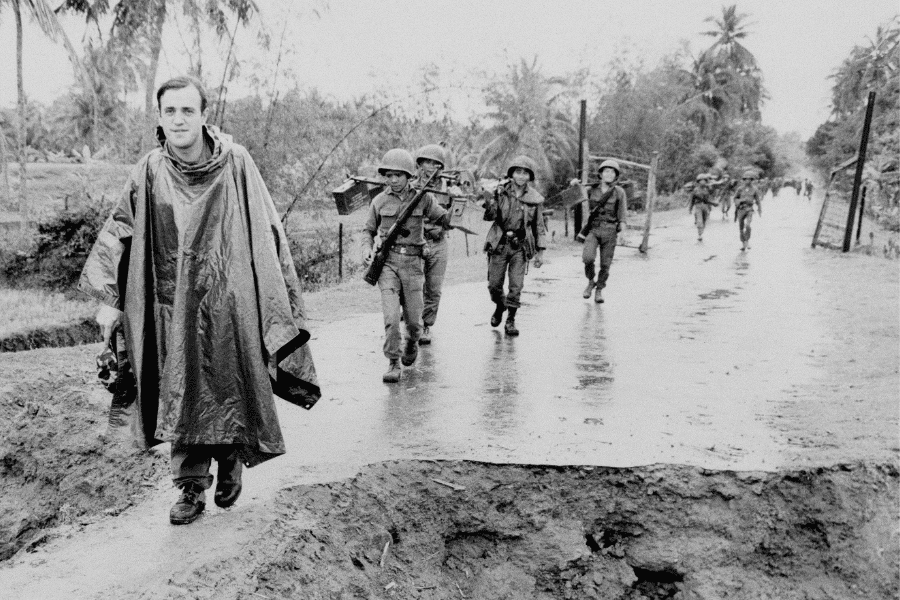
In 1962 reporters arriving in Vietnam found an increasing U.S. military presence that wasn’t supposed to exist. Reporting what was happening took courage. Associated Press correspondent Peter Arnett, left, marches in column with Vietnamese troops as he covers...
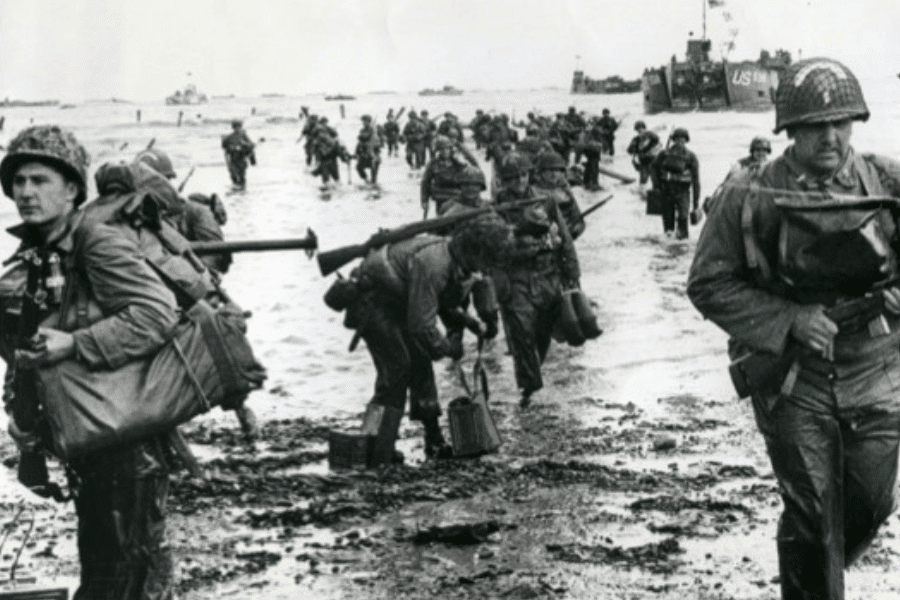
With the 156,000 allied troops who came ashore at Normandy on D-Day were 500 news reporters armed only with pens, paper, cameras and recording equipment. While hundreds of others move towards the beach in landing craft, American assault troops, with full equipment,...
Accompanying the 156,000 allied troops who came ashore at Normandy on D-Day were 500 news reporters armed only with pens, paper and recording equipment. Correspondent Tira Shubart looks at what it was like to be a war reporter in 1944.
Exercise: Read the article and discuss the dangers journalists faced in the Second World War, the reasons why they chose to report and the difficulties they might have had in reporting. Imagine you are a WWII reporter. Write a journal entry describing a snapshot of what you experienced on a given day. For inspiration, search for photos or articles by Robert Capa, Martha Gellhorn or Lee Miller and use them as a starting point. Think about what happened before and after the article or photo. Keep in mind how the events you experienced had wider, cross-border importance and how your chosen event impacted the world.