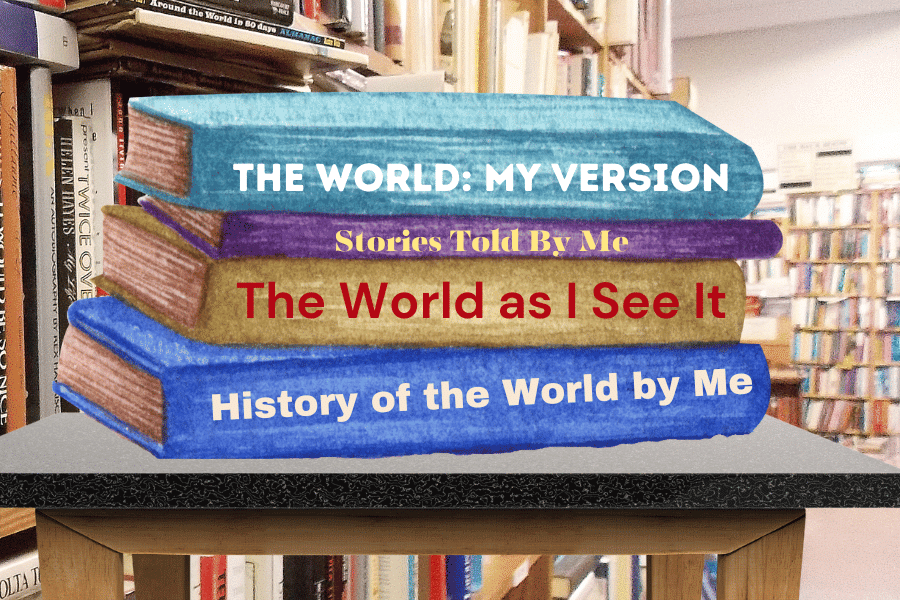
Historians dig up stories that document our past the way archeologists sift through relics. The more they learn the more we realize how much we don’t know. A stack of books in a bookstore that tell only one version of the world. (Illustration by News Decoder)...
Historians dig up stories that document our past the way archeologists sift through relics. The more they learn the more we realize how much we don’t know. News Decoder’s Editorial News Director Marcy Burstiner examines history and the versions of history that we’re told.
Exercise: Explore the idea of stories being told from different perspectives and of certain histories being silenced or underrepresented. Choose a current topic and have students look at it from different perspectives. What kinds of histories might be forged through telling the story in different ways?
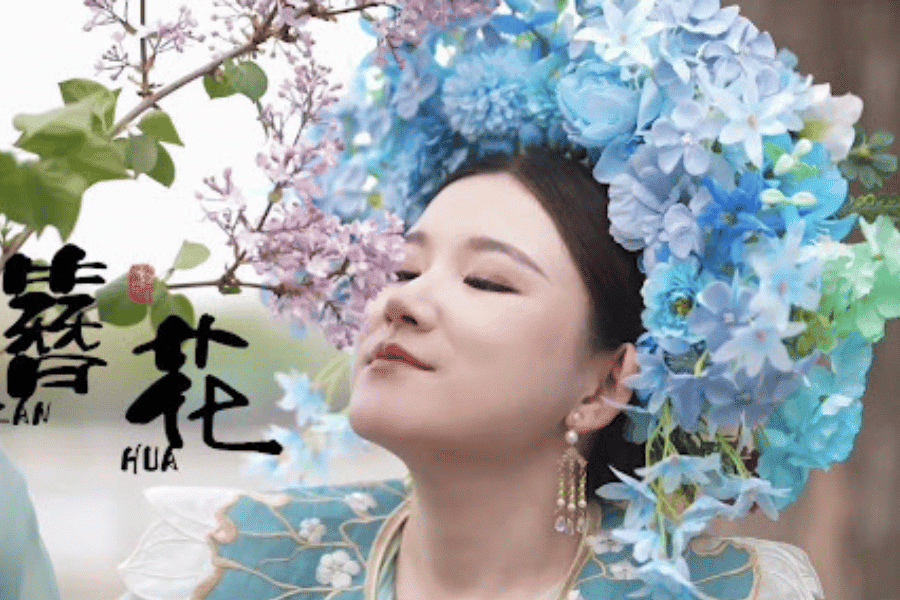
“China chic” has millions celebrating China’s glorious past. The number of people traveling to historic sites and tourist attractions is skyrocketing. A woman, Zhu Zhu, wears hairpin flowers on a visit to Quanzhou, China 2 April 2024. Photo provided...
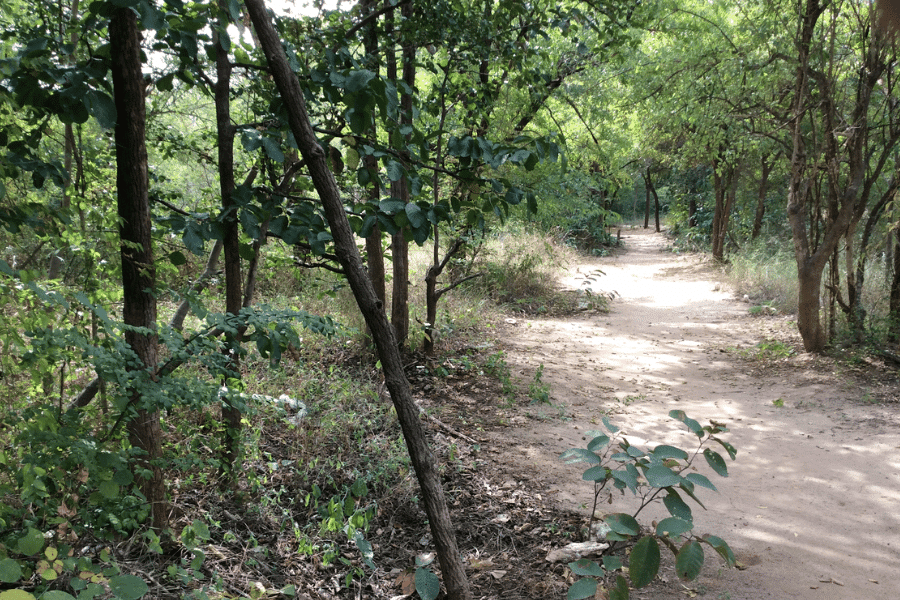
What’s a more powerful conservation incentive — a government jail or the wrath of a nature spirit? A shady path in a sacred forest in Myanmar. (Credit: Paul Spencer Sochaczewski) This article was produced exclusively for News Decoder’s global news service. It is...
What’s a more powerful conservation incentive — a government jail or the wrath of a nature spirit? There are many ways to preserve wildlife. Correspondent Paul Spencer Sochaczewski ventures into Myanmar’s sacred forests to unearth the secret of conservation.
Exercise: Start a discussion on ways governments and communities can protect local flora, fauna and areas of natural interest. Read the article and discuss the suggested questions. Students should then undertake research to identify other examples of local folklore and community spiritual and religious beliefs affecting environmental conservation positively. Hint: Look to countries with a strong history of folklore and explore stories with links to the natural environment.
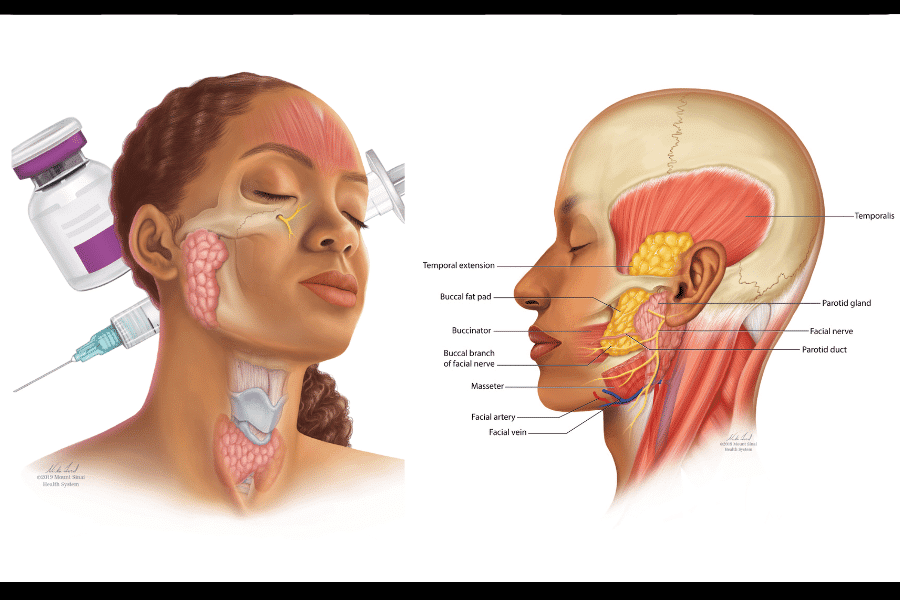
Ailments affect all kinds of people. But images doctors see in their textbooks and research journals don’t often reflect that. AI just makes it worse. Two medical illustrations by artist Ni-ka Ford. On the left is a depiction of botox injections. On the right is...
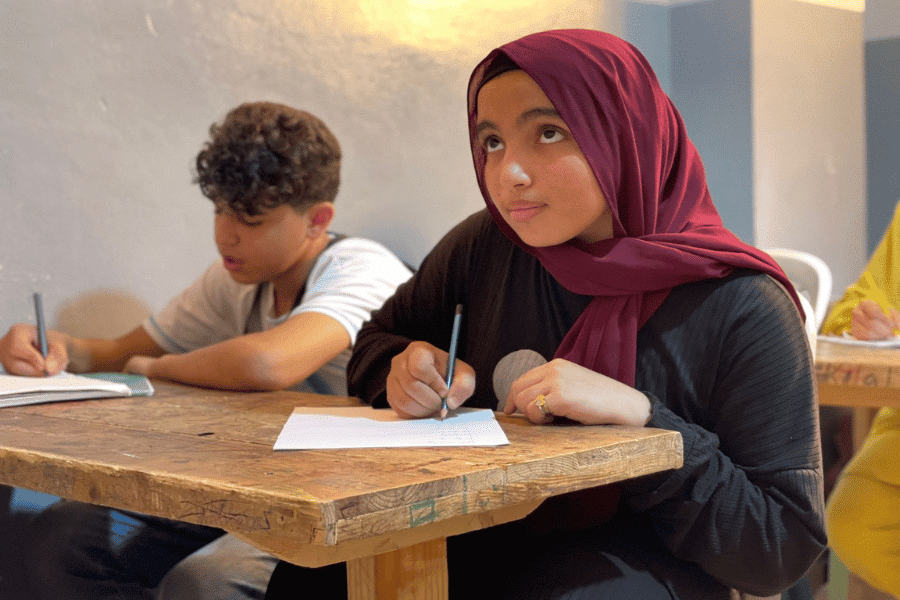
Desperate to give daughters a safe life, some refugees marry them off early. One organization in Lebanon is showing girls that there is an alternative. Batoul, age 13, in an Alsama classroom in Lebanon. Batoul came to Alsama two years ago illiterate because her...
Girls face barriers to education due to poverty, cultural norms and practices, traditional gender roles, societal pressure and gender inequality. Katharine Lake Berz looks at how education and gender equality play a crucial role in redressing the balance and keeping girls worldwide from early marriage.
Exercise: Read the article. Use the ‘Questions to Consider’ below it as a starting point for discussion. Find out more about the importance of girls’ education and think about why it should be a priority. For further reading and research, use the following information on girls’ education: Girls Not Brides, World Bank. Discuss why this issue should be a priority and how it relates to SDG 4 and SDG 5. You could screen this ‘School is just the start’ TED Talk by Angelina Murimirwa (8min) and discuss the key points in groups.
Millions of people move from one place to another. When it isn’t just the city that changes but the language and culture, it can be difficult to feel at home. A doormat says “Home Sweet Home.” (Credit: Andy Dean Photography) This article, by high...
Psychologists call it cognitive dissonance when you disconnect beef from the killing of a cow. But some think you need to know the animal you eat. Cows look on as someone is about to eat a fat, juicy hamburger. (Photo illustration by News Decoder) This article, by...
Like their parents before them, thousands of U.S. teens head to camp this summer. But for many, this R&R combines relaxation with religion. Two generations of kids at Jewish summer camp. Joshua Glazer, shown right, and his mother, when she was about the same age....
There isn’t much of a gender gap in Iceland, except in its maritime industry. But go back in time, and you’ll find women pulling in nets and steering the helm. A painting of Foreman Thurídur by Marian McConnell. Habitually clad in trousers, a rust-coloured...
For the world’s most gender-equal country, Iceland has a maritime industry that is surprisingly gender inequitable. Why and how has the status of Icelandic seafaring women regressed over the years? This piece by Ashley Perl gives an overview. In the article’s accompanying classroom activity, have students try their hand at uncovering the history of traditionally gendered professions in a research assignment well-suited for Women’s History Month.
Exercise: Read the article as a class, and then discuss the factors that have contributed to an increasing gender gap in the fishing and maritime industries in Iceland. Afterwards, have students select a profession that has a large gender imbalance in your country (perhaps teaching, nursing, engineering, etc.). Instruct students to research the history of the profession to see if these gender imbalances were the case historically, too. As part of this assignment, you may consider teaching research skills like assessing source credibility and using databases like Google Scholar.
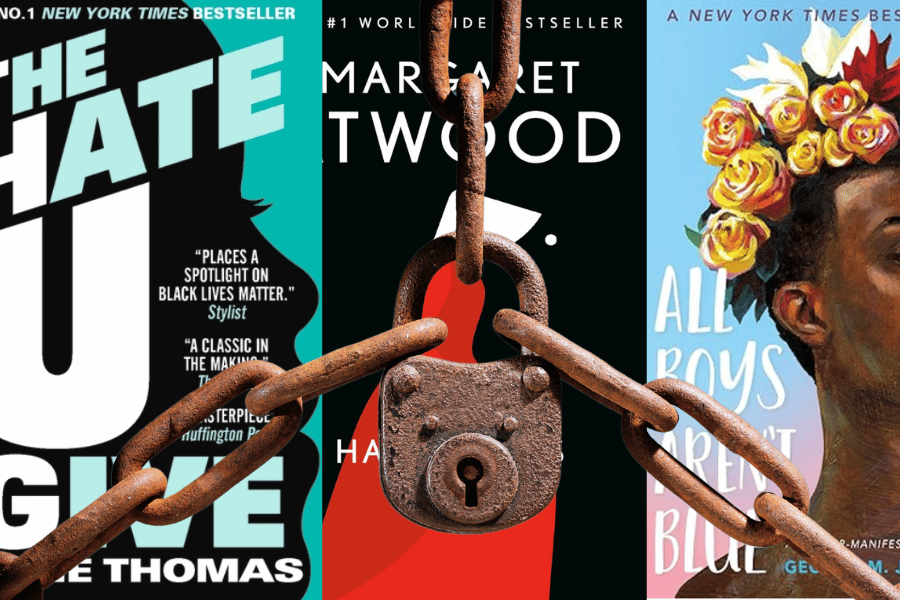
In more regions around the world people want to keep some books out of the hands of youth. But these are the books that engage kids the most. A heavy chain and lock covers three novels at the heart of book banning controversies. (Illustration by News Decoder) This...
Book bans have historically been linked to authoritarian regimes. In recent years, we’ve seen the rise of book bans in democratic countries, too. This is a disturbing trend, and young people are noticing, too. In this piece from high schooler Emily Ireland of St. Andrew’s Episcopal School in the U.S. state of Mississippi, prompt student thinking on censorship and banning books with an evidence-based reasoning activity.
Exercise: Read the article with your class. Then, launch a class discussion on whether there are book topics that should or shouldn’t be banned in public schools in your country. Be sure to get into the nuances of this complicated topic: if some topics are inappropriate for certain audiences, who should be responsible for restricting access? Should it be governments, parents, schools? How might these parameters change from country to country, depending on context? This activity is well-suited to be a complementary teaching tool on a lesson about civil liberties (e.g. in the United States, the Bill of Rights).