On World Wildlife Day, the United Nations asks us to consider all the things we eat to keep us healthy and think: What if they all disappear?

World Wildlife Day poster highlights medicinal and aromatic plants. (Courtesy of the United Nations)
Each year, 3 March marks World Wildlife Day, established by the United Nations to highlight the importance and vulnerability of the plants and animals that make up the ecosystems that keep the planet — and the humans on it — healthy. This year, the UN is highlighting all the plants that we depend on for medicine, aromas and flavor.
These are therapeutic species that, as UN Secretary-General António Guterres put it in a statement, we need to make life-saving medicine, and that are at the heart of pharmaceutical industries that employ millions of people around the world. “Plants boost biodiversity, stabilize soils and represent centuries of knowledge and stewardship by Indigenous Peoples and local communities,” he wrote.
To help recognize the day and give readers food for thought about the flora we depend on, we present a range of News Decoder stories that explore everything from biodiversity to nutritious algae to the history of tea.

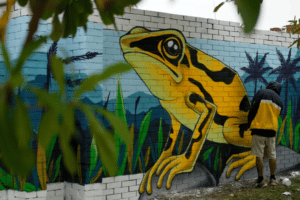
A cardinal sin: How our actions affect biodiversity
Students at a U.S. school played what they thought was a harmless prank. They found out that actions have consequences and biodiversity is fragile. By Anthony Jones, St. Andrew’s Episcopal School
Can we save the planet and the life that’s on it?
As nations gathered in Baku for COP29 to fight climate change, a less noticed gathering took place in Colombia to protect the myriad forms of life we might lose. By Karolina Krakowiak
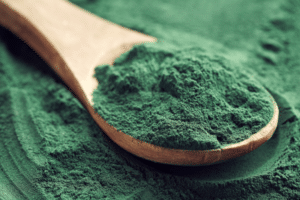
A green food that’s key to ending malnutrition worldwide
A spiral-shaped algae is cheap and easy to grow. It’s so nutritious that NASA thinks it can power people to Mars. On earth it can keep kids healthy. By Preety Sharma
Our ultimate treasure map is of the bottom of the sea
We’ve mapped stars billions of light years away. But what lies just hundreds of feet below the surface of our own water has been unfathomable. By Tira Shubart

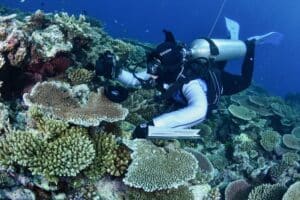
When protecting the environment makes more cents
The Great Barrier Reef isn’t just an endangered world wonder. Protecting the world’s largest coral reef system is also key to Australia’s economic growth. By Richard Hubbard
From weed to feed: Using nature to control an invasive plant out of play
Not too long ago, water hyacinth covered Lake Victoria in Africa. People found a tiny bug could help control it. Now farmers see the weed as a resource. By Enock Wanderema
To save Earth, should killing nature be made a crime?
Threats to nature persist despite global efforts to save our planet. Is it time to get tough and make killing nature an international crime? By Paul Spencer Sochaczewski
One man’s quest to protect Romania’s virgin forests for all
Florin Stoican tirelessly worked to create Romania’s first citizen-led national park in a country that’s home to 65% of Europe’s virgin forests. By Patricia Cîrtog

What will it take to save the Amazon?
The Amazon — the “lungs” of our planet — is burning. What to do? Punish Brazil with sanctions? Eat less meat? Or send in forces? By Bernd Debusmann
.
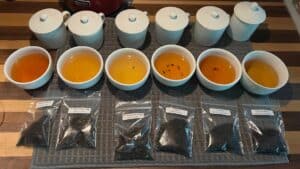
Thousands of years of history in one steaming cup of tea
Becoming a tea sommelier means confronting a history of imperialism and oppression and appreciating the world’s most common beverage. By Liana Hwang