
Parents love it when a kid reads books. Playing video games, not so much. What if the latter could be a career? Would the approval flip?
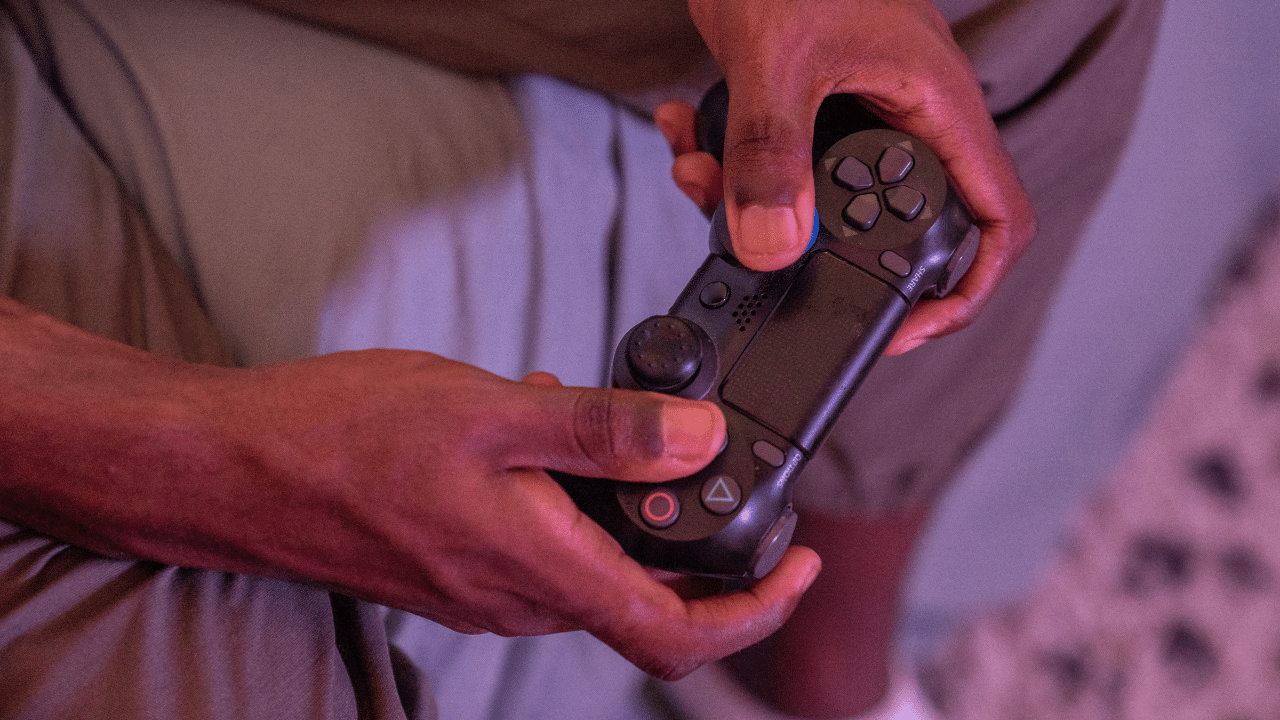
A teen playing video games. (Photo by Kevin Malik/Pexels)
From a young age, I developed a keen sense of stealth and alertness, always waiting for the faintest sound of footsteps when I was playing FIFA, a football simulation video game.
The reason? I should have been doing something else: studying, reading or some other “approved” productive activity.
When I was left alone at home, I would deliberately avoid studying until my parents were about to return, instead spending my time gaming, watching soccer or just relaxing.
However, If I had studied earlier and only played when they arrived, it would look like I had spent the whole day on games, and appear lazy.
If I was on my phone when my parents called I would wait to take their call; answering too quickly might make it seem as though I had been on my phone all day, another sign of “unproductivity.”
Other people’s expectations
These moments were where my vanity — which popular religious podcaster Father Mike Schmitz defines as “the inordinate preoccupation with what other people think” — first emerged.
Over time, it became a habit, a kind of internalized vigilance where I measured every choice against the imagined opinions of others.
What began as a few strategic decisions slowly grew into a consistent, excessive concern with approval, shaping how I approached not just leisure, but many aspects of my life.
During the holidays, I was constantly pushed to read books to “improve my vocabulary” and be productive. I was never enthralled with the idea, so I’d always pretend as if I were reading while waiting for match days.
I was allowed some TV time during the holidays, yet the tension in the living room was always palpable as I sat on one couch watching a football match with my dad on the opposite side. I tried to stay as still as possible, keeping my excitement in check so it wouldn’t be met with reprimands.
Navigating social expectations
Ironically, the goal intended by reading, expanding my vocabulary, was still being achieved in subtle ways. Listening to commentators, following the news on Sky Sports and absorbing new words through conversations and match analysis all contributed to learning, even though it didn’t look like the “approved” form of productivity.
In a sense, I was being productive quietly, on my own terms, while navigating the ever-present social expectations around me.
It was 2024, and there was a paradigm shift. I had earned about 1,000 leones (about US$41) from a FIFA tournament, a small sum, but a monumental change.
A mere “pastime” that I had indulged in for years, often under scrutiny and disapproval, had finally borne fruit.
A paradigm $hift
Like water turned into wine, the same thing I had always done was suddenly valuable. The countless hours of practice, strategy and focus that had once been dismissed as lazy or unproductive were now celebrated, if subtly, because they had measurable results.
After years of being stuck in 2021, endlessly playing FIFA 21, I was finally brought to the present. My parents gifted me the latest version at the time, FC 24.
This was unprecedented. The controllers that had once been seized whenever exams loomed were now safe in my hands and the constant scrutiny during my leisure hours had eased.
Was it the money that changed everything? The amount itself was insignificant. It could not transform our financial situation.
What it transformed was perception. Money, however small, translated my hours of play into something legible. It converted leisure into labor. It gave my parents, and perhaps even me, a measurable reason to approve.
Defining a waste of time
If I had never won that tournament, would FIFA still be a waste? If a hobby never becomes income, does it remain frivolous? The logic is unsettling: an activity’s worth seems to depend less on its intrinsic value and more on its visible returns.
We often claim to value discipline and passion. Yet what we truly reward are results. Effort becomes admirable only in retrospect, once it has produced something tangible.
Before the outcome, it is suspect. After the outcome, it is foresight.
Perhaps the real problem was not gaming, but the belief that joy must justify itself. That I must produce something visible in order to be seen as disciplined. Productivity, then, becomes less about output and more about optics.
My small tournament win shifted perception at home, but it never traveled beyond it. Outside my household, FIFA was not seen as discipline or skill.
Serious pursuits
Where I come from, Sierra Leone, gaming was often entangled with the stigma of gambling, irresponsibility and distraction. It was not a “serious” pursuit. It did not fit the script of respectable productivity. And so I learned to curate myself.
When asked to share a fun fact in public spaces, I never mentioned FIFA. I spoke about books. Reading had legitimacy. It carried intellectual weight. It aligned with the image of someone disciplined and forward-thinking. It was easier to present the version of myself that appeared meaningful than the one that required explanation.
In doing so, I began to internalize a troubling logic: not all bents are equal. Some are celebrated; others must be concealed. Productivity, then, becomes less about genuine inclination and more about socially-approved inclinations. It becomes vanity in disguise: the strategic presentation of effort in forms that attract validation.
This subtle pressure forces a quiet reshaping of identity. Instead of nurturing the bent that feels natural, one gravitates toward pursuits that signal worth. I found myself engaging in activities that were admirable, even commendable, but never deeply resonant. I participated. I performed. I even excelled at times.
Yet without a bent, the effort rarely reached profundity. It remained superficial, not driven, not alive.
Questions to consider:
1. Why are some hobbies and pastimes seen as more worthy than others?
2. In what ways can you improve your vocabulary without reading books?
3. Can you think of something you like doing that isn’t considered a productive use of your time?
Shadrach Massaquoi is from Sierra Leone and is in the second year at African Leadership Academy in South Africa. Passionate about exploring overlooked social and health issues, he writes to highlight “silent” challenges in everyday life, blending personal reflection with research to spark awareness and meaningful conversation among youth worldwide.