

When you are ready to write an article or script for a podcast or video, you turn your raw materials — the data you’ve extracted from reports, the notes from your interviews, the photos you’ve taken — into a first draft. But note this: First drafts are ugly. They become better with revisions. Good storytellers often revise their drafts multiple times before it is ready to be published, posted, or broadcast.
Regardless of your medium, drafting always involves constructing a story with fundamental elements. To help you we have put together these resources:
- How to write a news story
- The difference between a school essay and a news story
- 5 tips for writing a great article.
Your target length should be between 700 and 1500 words. Cite authoritative sources and hyperlink to those sources where possible. Include full-sentence quotes from your interviews and adhere to the maxim “show don’t tell”: let your reporting show readers what you want them to know rather than telling them directly.
Don’t worry about making your draft sound perfect. The final draft will invariably look different from the first version. Rather, concentrate on summarizing the key points of your research and reporting, starting with the most important points near the top.
Keep it simple. Write short sentences; later, they can be made more elaborate. Paragraphs should be no longer than two sentences; this ensures the story moves along briskly. Your article should total no more than 40 sentences.
Look at past articles we’ve published by young people. Get a feel for the style and tone of this content and try to replicate it in your own work.
Write to be read
How to make sure the article you write is interesting to read? Marcy Burstiner, Editor-in-Chief of News Decoder, a global news site for young people, will share her tips on writing a story that keeps the audience engaged till the end.
More writing tips
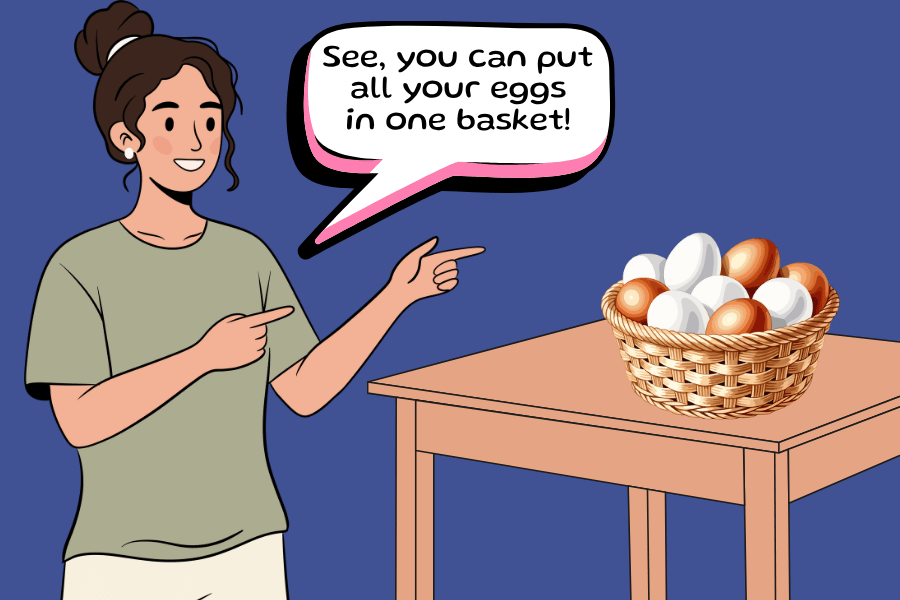
Don’t you love telling people they are wrong?
You’ll be told: “Everyone knows that” or “This is simply the way things are done”. But do some research and you might discover that things are different.
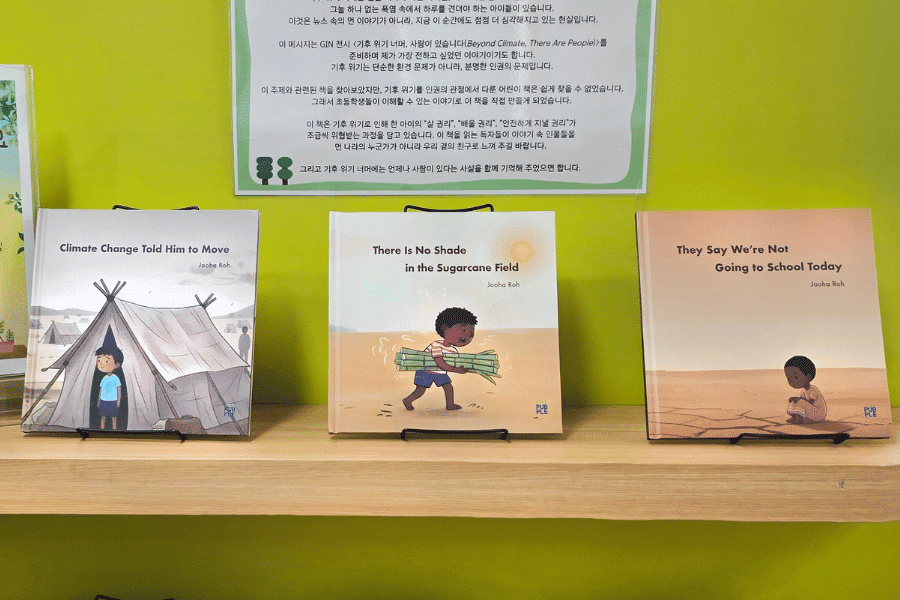
Why so few human stories within the climate crisis?
One high school student took it on herself to show children how climate change affects people throughout the world.

Take delight in deleting
Books that are difficult to read win literary prizes. But if you want everyone to read your work, don’t make it longer than it needs to be.

Can you hook your reader from the get-go?
To inform people you need to first get their attention. In journalism that’s the job of “the lead.” But crafting it is difficult.

Please don’t let me be misunderstood
A small grammatical error can cause a big misunderstanding. But there are many ways your story can be read in a way you didn’t intend.

You can write a great essay. But can you tell a great story?
Writing for a teacher or group of academics is one thing. Now imagine the audience is a group of your friends. Would you write it the same way?

To fight climate change, begin in the classroom
It is one thing for students to read what a teacher assigned. It’s another to discover information themselves and use it to inform others and take action.

Empowering youth through environmental storytelling
It will take the whole world to solve our climate crisis. Now educators have a roadmap for teaching young people about climate change and how to stop it.

Cook up a news story
Many think writing a story isn’t worth the effort when you have AI to do it. But there is satisfaction that only comes by doing it from scratch.

When a company’s enviro claims sound convincing …
Greenwashing is when corporations use eco-sustainability as a marketing tool. But can you tell if they’re for real? Here are some ways you can check them out.