There seems little point in trying when our chances are small that we will score big. But only when we accept disappointment can we realize our potential. A basketball player tries to make a shot. (Photo by dotshock) This article by student Jeremy Gitiba was produced...
Shouting and screaming in anger pushes people away. When we take responsibility for our emotions, we can reach understanding and deepen our relationships. Two women in a discussion. (Photo by SDI Productions/Getty Images Signature) This article by student Rihab Smati...
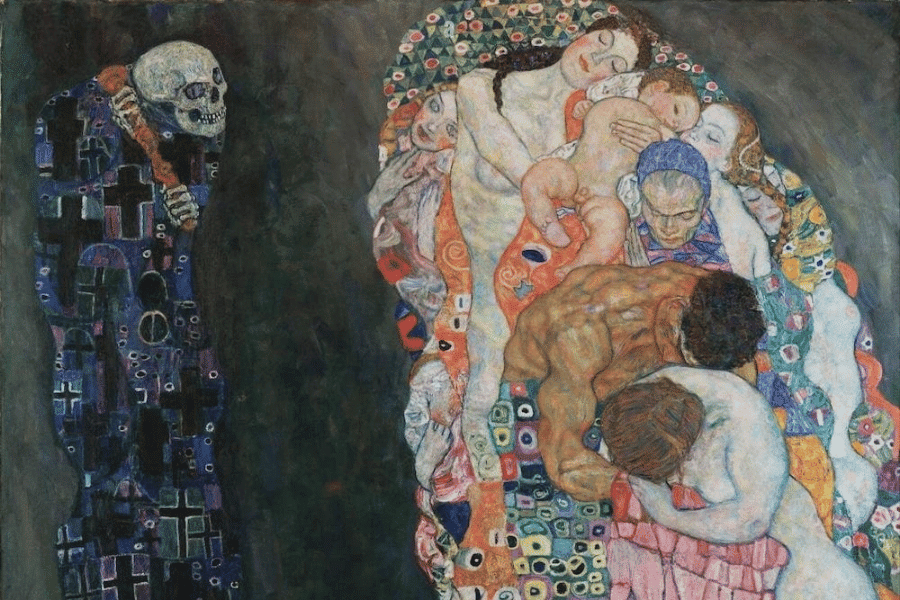
Every moment could be our last opportunity in life, and this acknowledgement gives weight to our actions while stripping away trivial distractions. A section of the painting “Death And Life” by Gustav Klimt, 1908. This article by student Jack Kapund...
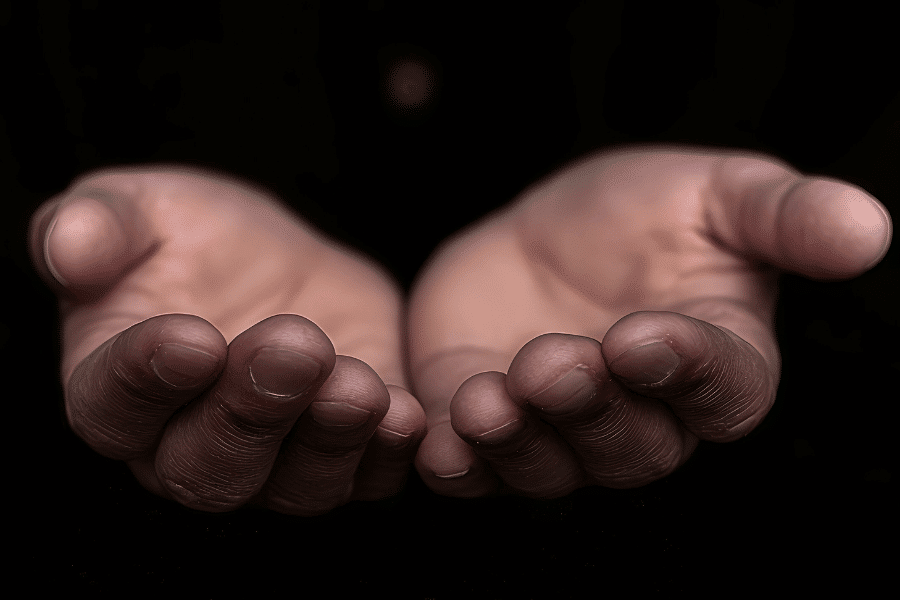
We learn that it is good to share what we have with those less fortunate. But when those around us simply take, important social bonds begin to fray. Two hands beg for help. (Photo courtesy of Adobe Stock) This article by student Ayira Browne was produced out of News...
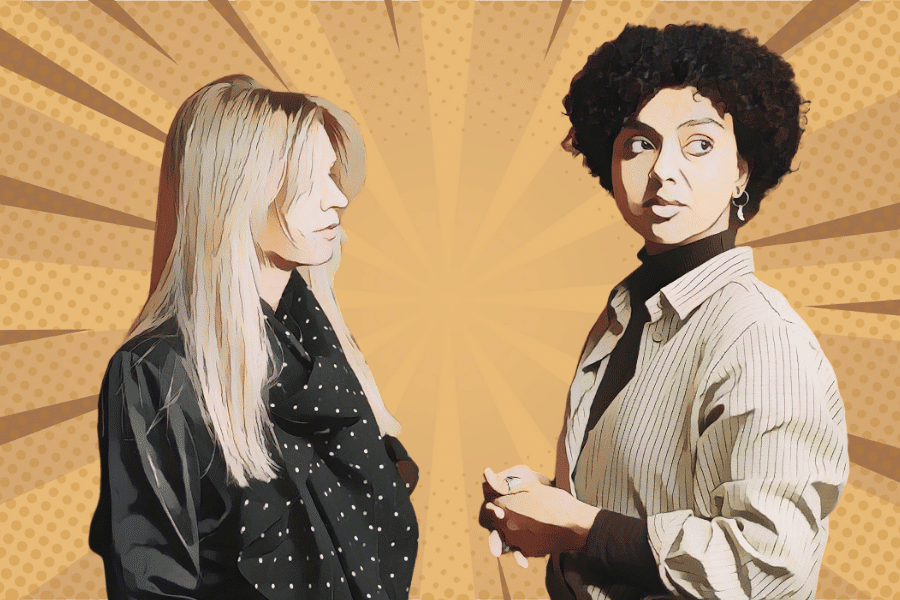
Language shapes how people perceive each other. Small differences in pronunciation can affect who is welcomed or dismissed. But language can also be a bridge. Two women in conversation. (Illustration by News Decoder) This article by student Fatma Ezzahra Rziga was...
Live out of suitcases for months at a time, and you learn what to leave behind. It’s not the physical stuff that matters but connections you make and keep. Suitcases beside a taxi. (Illustration by News Decoder.) This article was produced exclusively for News...
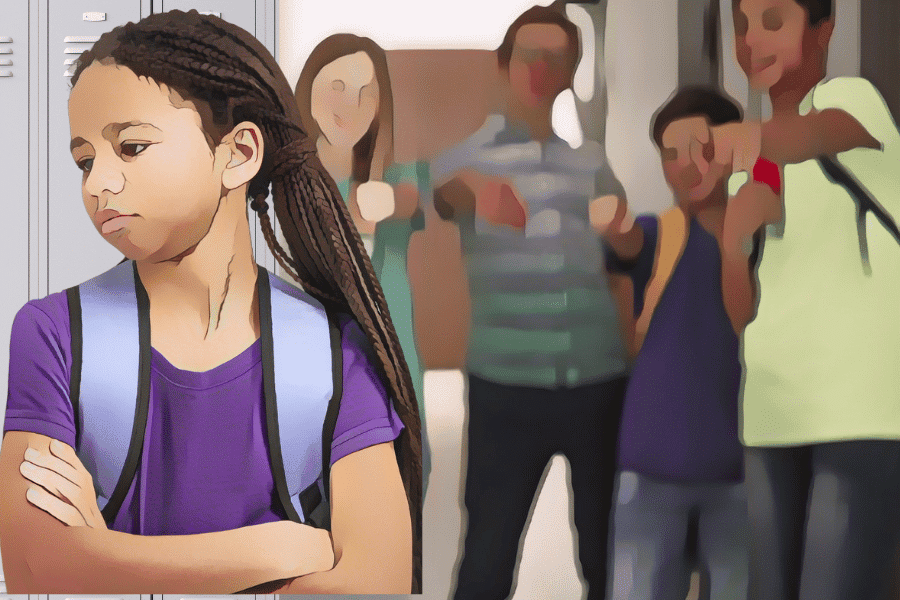
Bullies gain their power when people fear them. But sometimes our own inner strength is more powerful. A schoolgirl is bullied by classmates. Illustration by News Decoder. This article, by student Anderson Tuyizere, was produced out of News Decoder’s school...
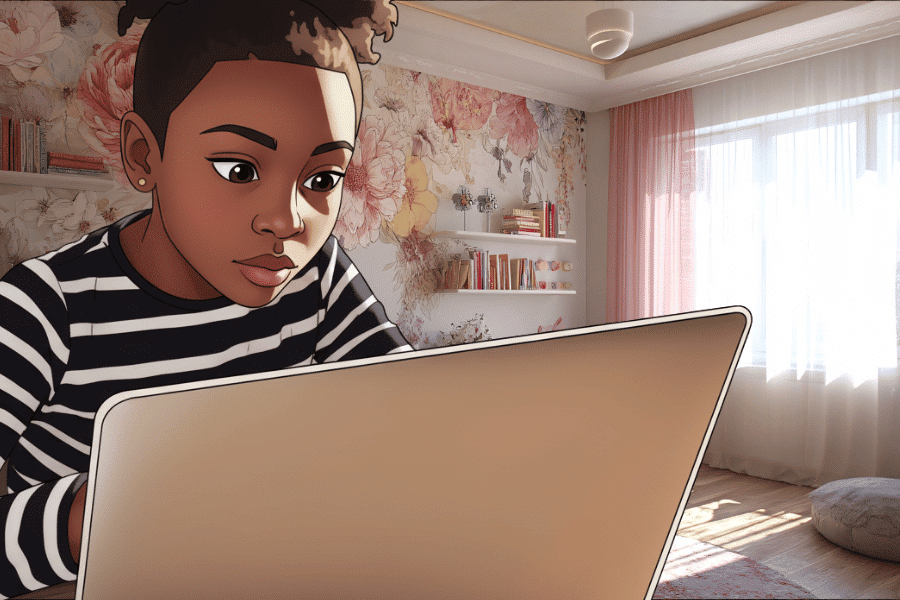
When the screen becomes your escape from depression, can you find a way to face the reality around you? A young girl stares at her computer screen. (Illustration by News Decoder) This article, by student Ange Umugisha, was produced out of News Decoder’s school...
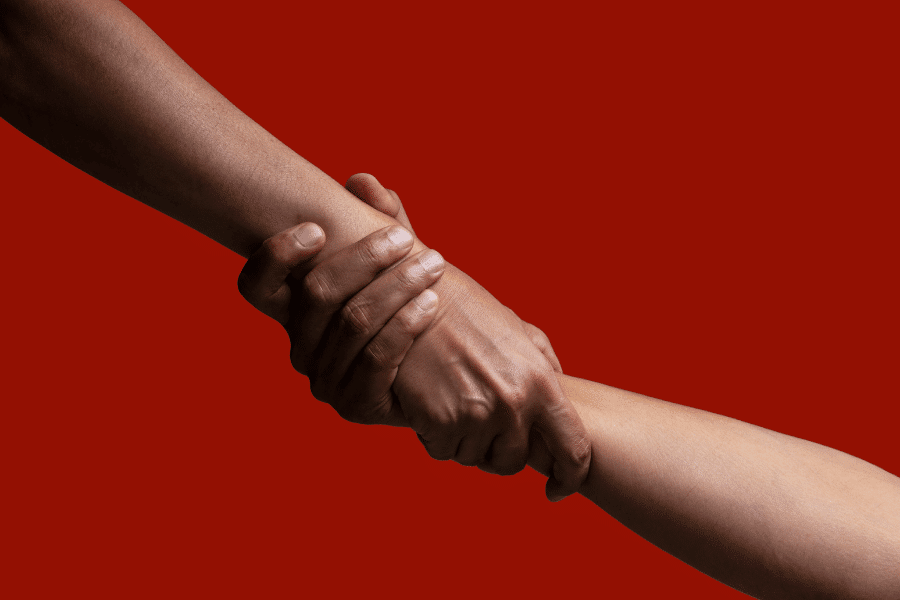
Staying strong during hard times is the key to success. Set yourself some personal goals and don’t be afraid to accept help from kind people. Two hands grasp each other. (Image by simarik/Getty Images Signature) This article, by student Aloys Bizimana, was...
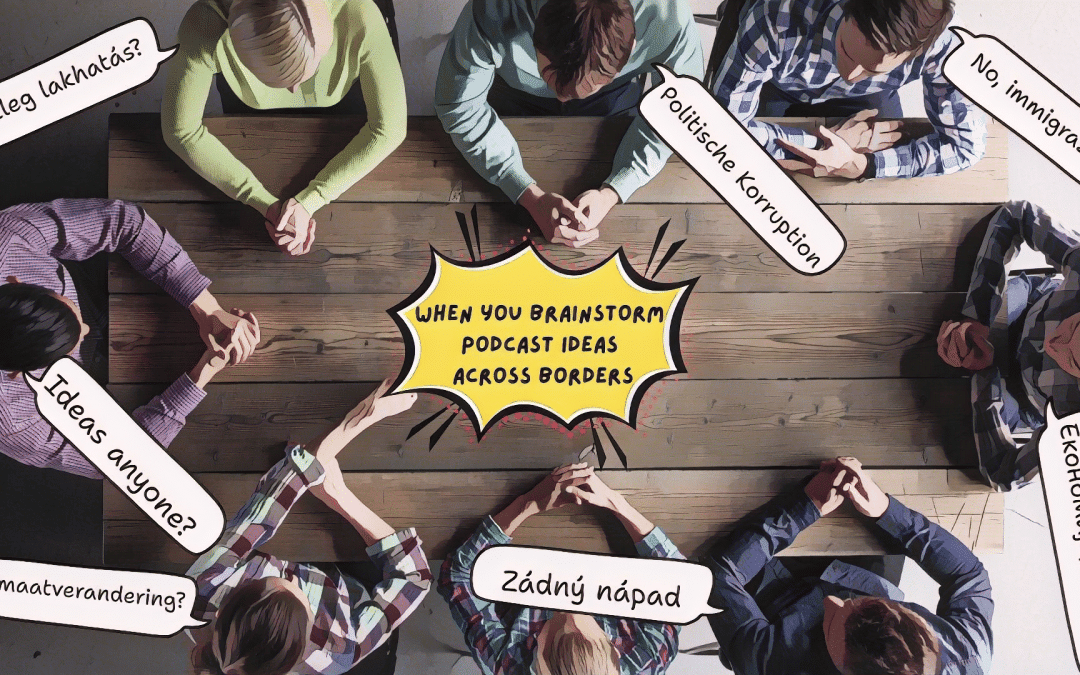
Bring people who speak different languages and come from different cultures into the same project and things can get messy. But the results are worth it. People around a table offer ideas in different languages. (Illustration by News Decoder) This article was produced...