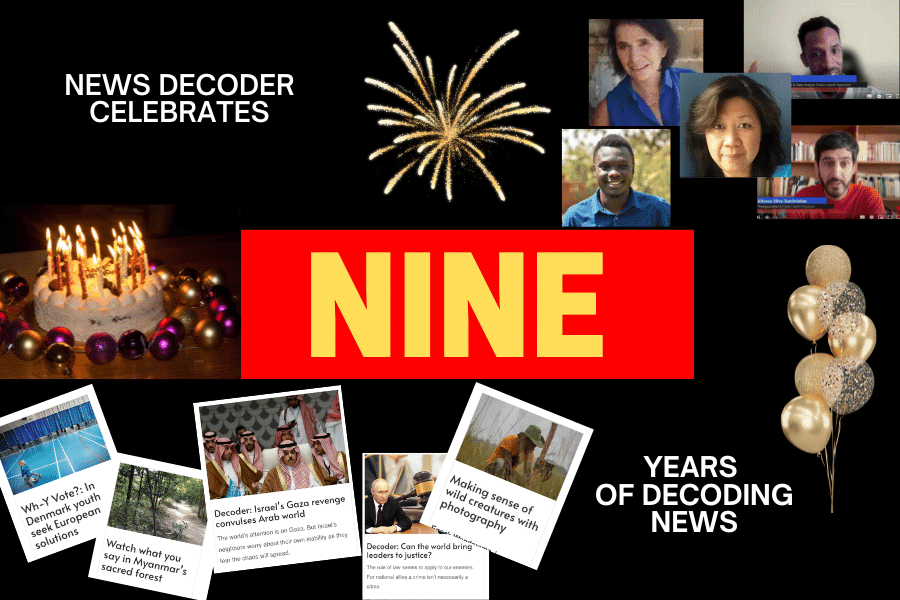
News Decoder started with one journalist who sought to build global awareness in young people. Over the next nine years dozens of other journalists signed on. Meet some of News Decoder’s correspondents. When News Decoder got its start it was with the idea of...
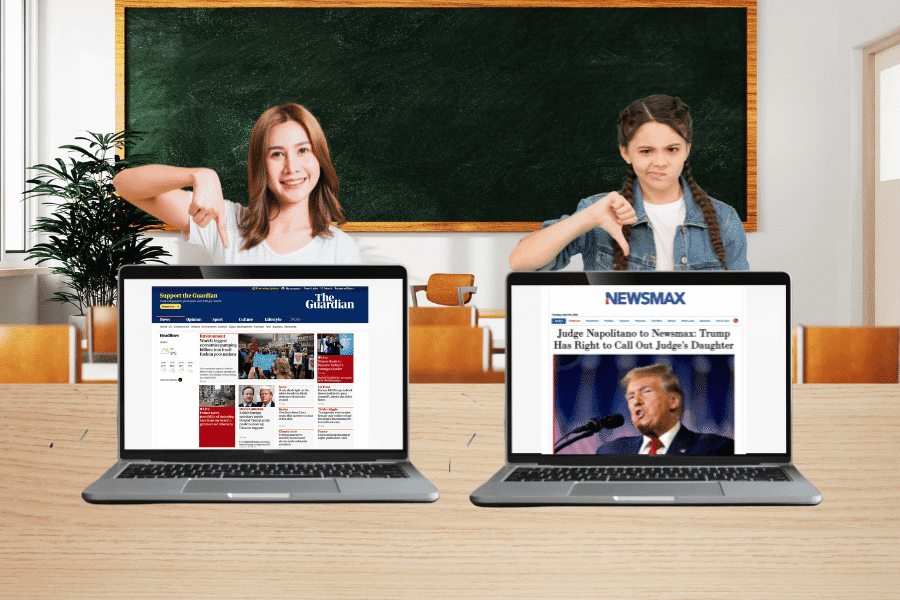
News and media literacy groups are calling on Europe to include journalism in media literacy education. Students need to know how to spot news they can trust. A teen points to a site that can be trusted while another gives a different site a thumbs down. Illustration...
Young people engage with the news in its many, diverse forms but they can’t always trust its reliability or may not verify sources. It is vital that young people be able to discern between real news and fake, verified trustworthy sources and polemic, propaganda or clickbait. In this piece, Aralynn Abare McMane talks to news and media literacy groups and explores why they are calling for Europe to include journalism in media literacy education.
Exercise: In order to better understand the wider issues surrounding media literacy, ask students to choose one of the organizations or projects mentioned in the article. They should undertake independent research into what they do. In groups, they can look into their chosen organization or project and prepare a short presentation summarizing what they do and the key issues they address. They should then reflect on why this organization exists, what problem it solves and how its objectives help students like them in the real world.
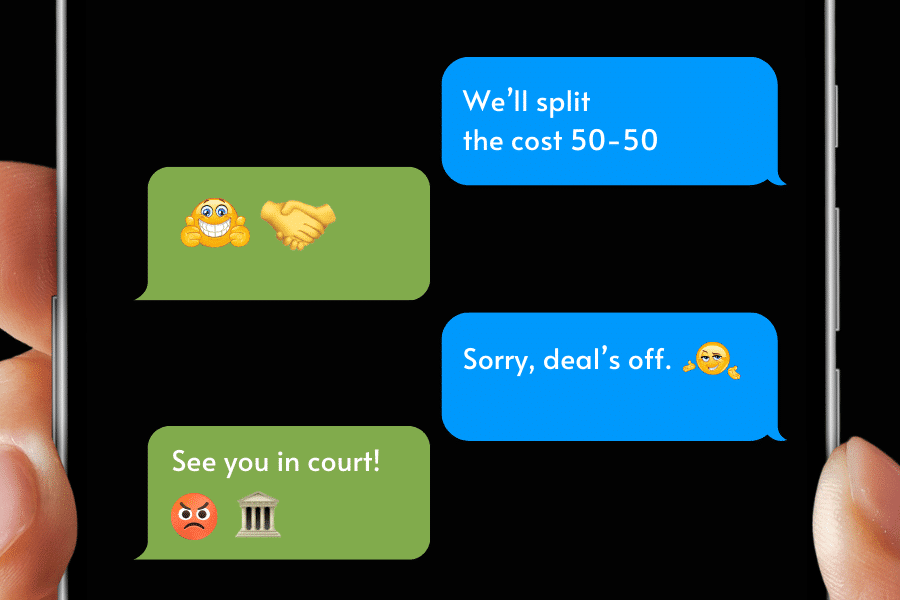
Courts around the world are considering promises made via text message as legally-binding contracts. Text messsages depict a reneged deal. (Illustration by News Decoder) This article was produced exclusively for News Decoder’s global news service. It is through...
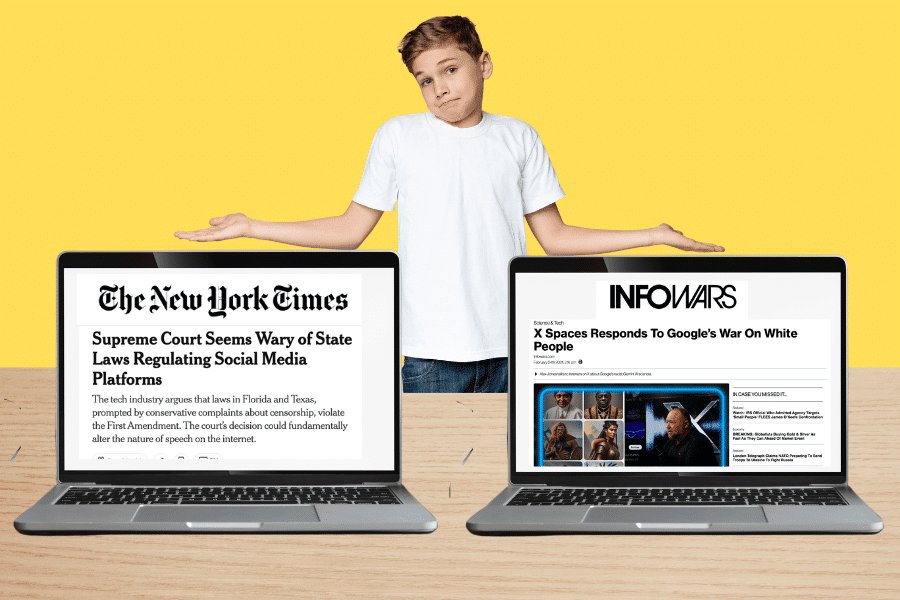
If a child is old enough to learn to read, it’s time to teach them to be media literate. But how to implement that in schools takes some problem solving skills. A teen shrugs at the difference between two computer screens. One shows an article by the New York...
Today’s students are digital natives, but are they digitally literate? In this Classroom #Decoder, guest writer Michael Leedom of the University of Toronto surveys media literacy curriculums around the globe, finding that media literacy education in Finland may be the world’s most robust.
Exercise: Read the article with your class, then have students try their hand at “lateral reading”. This is defined in the text as “checking the credibility of a claim by consulting other sources. Rather than remaining on a website with questionable information to find answers, known as ‘vertical reading’, students are taught to open a new tab and see if new information conflicts with what more trusted websites offer.” Present students with a web page and have them verify the credibility of that page by practicing lateral reading.
Introducing Sabine Bērziņa, News Decoder’s latest hire, to help lead our Mobile Stories project to teach media literacy through the practice of news gathering. Sabīne Bērziņa, News Decoder’s User Experience Manager. One way to get students to become media...