by Amina McCauley | 1 Mar 2024 | News Decoder Updates
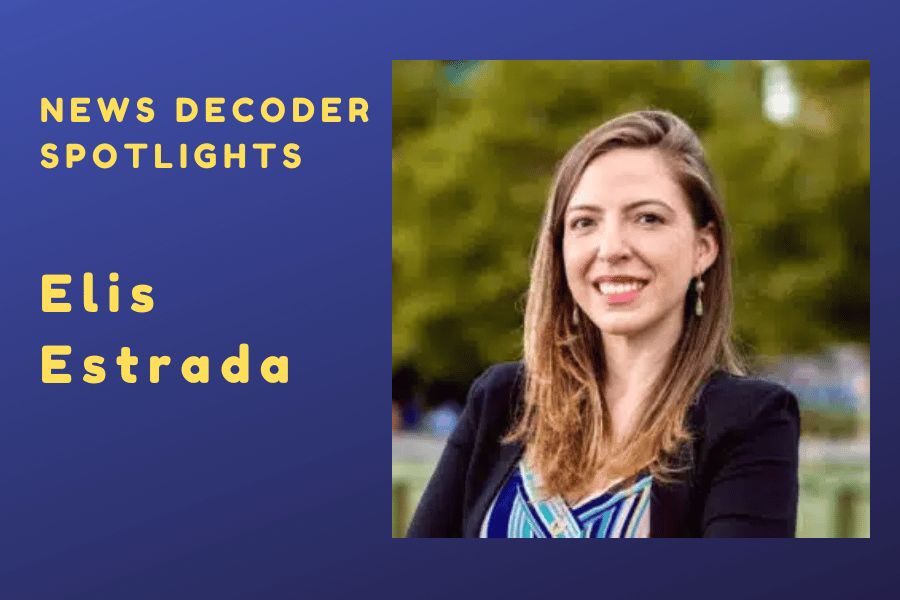
News Decoder intern Kaja Andrić has genes from two sets of people historically at war with each other. The result? Someone who sees connections, not divides. News Decoder editorial intern Kaja Andrić. If you grow up in the United States in Florida, attend university...
by Michael Leedom | 29 Feb 2024 | Education, Educators' Catalog, Media Literacy, University of Toronto Journalism Fellows
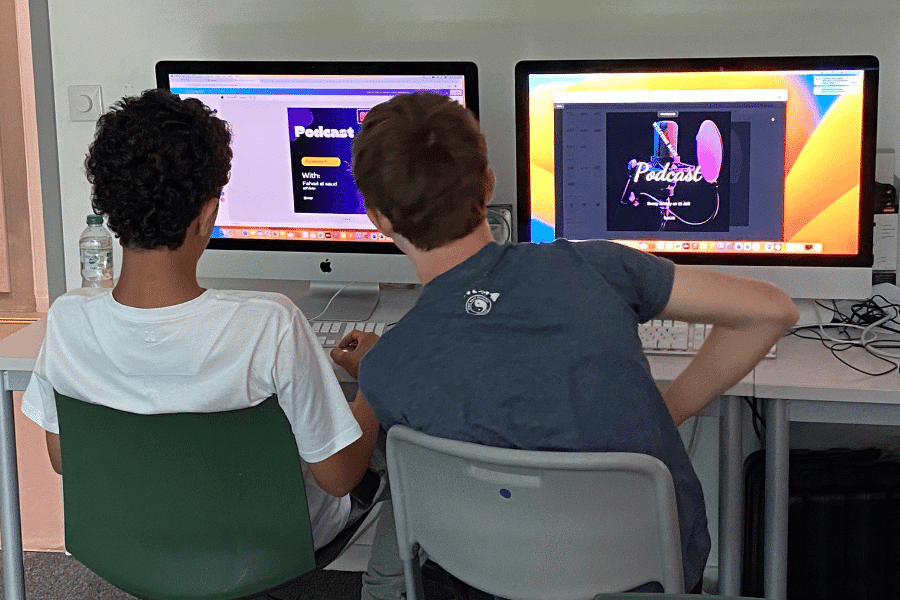
If a child is old enough to learn to read, it’s time to teach them to be media literate. But how to implement that in schools takes some problem solving skills. A teen shrugs at the difference between two computer screens. One shows an article by the New York...
Today’s students are digital natives, but are they digitally literate? In this Classroom #Decoder, guest writer Michael Leedom of the University of Toronto surveys media literacy curriculums around the globe, finding that media literacy education in Finland may be the world’s most robust.
Exercise: Read the article with your class, then have students try their hand at “lateral reading”. This is defined in the text as “checking the credibility of a claim by consulting other sources. Rather than remaining on a website with questionable information to find answers, known as ‘vertical reading’, students are taught to open a new tab and see if new information conflicts with what more trusted websites offer.” Present students with a web page and have them verify the credibility of that page by practicing lateral reading.
by Emily Ireland | 27 Feb 2024 | Contest winners, Culture, Education, Educators' Catalog, Media Literacy, St. Andrew's, Student Posts, Youth Voices
In more regions around the world people want to keep some books out of the hands of youth. But these are the books that engage kids the most. A heavy chain and lock covers three novels at the heart of book banning controversies. (Illustration by News Decoder) This...
Book bans have historically been linked to authoritarian regimes. In recent years, we’ve seen the rise of book bans in democratic countries, too. This is a disturbing trend, and young people are noticing, too. In this piece from high schooler Emily Ireland of St. Andrew’s Episcopal School in the U.S. state of Mississippi, prompt student thinking on censorship and banning books with an evidence-based reasoning activity.
Exercise: Read the article with your class. Then, launch a class discussion on whether there are book topics that should or shouldn’t be banned in public schools in your country. Be sure to get into the nuances of this complicated topic: if some topics are inappropriate for certain audiences, who should be responsible for restricting access? Should it be governments, parents, schools? How might these parameters change from country to country, depending on context? This activity is well-suited to be a complementary teaching tool on a lesson about civil liberties (e.g. in the United States, the Bill of Rights).
by Devon Chipman | 23 Feb 2024 | Contest winners, Education, Educators' Catalog, Student Posts, Tatnall School, Youth Voices
Some school districts across the world find that one day less of classes per week can produce more effective learning. But not everyone is convinced. Girls in school uniforms head to classes. A calendar column shows that Mondays are off. (Illustration by Kaja Andrić)...
In an excellent piece written by high schooler Devon Chipman of News Decoder partner The Tatnall School, we consider the pros and cons of a four-day school week. Develop students’ critical thinking and evidence-based reasoning skills using this youth voice story.
Exercise: Before reading the article, ask your students whether or not they support a four-day school week. Then, read the article together and see if opinions have changed. After this initial discussion, facilitate a class debate on whether or not to implement a four-day school week at your school. Students should take on different personas in the debate to argue a perspective they may not personally agree with — school administrators, teachers, parents/guardians, students, college admission officers, etc. Each student contribution during the debate should incorporate evidence from the article.
by Kaja Andrić | 2 Feb 2024 | Education, Environment, European School Brussels, Journalism
News Decoder again partners with the Climate Academy to help students tell climate change stories and teachers to incorporate climate change into their classes. A globe in a classroom. (Photo by vitranc for Getty Images) Climate change may be the existential crisis of...