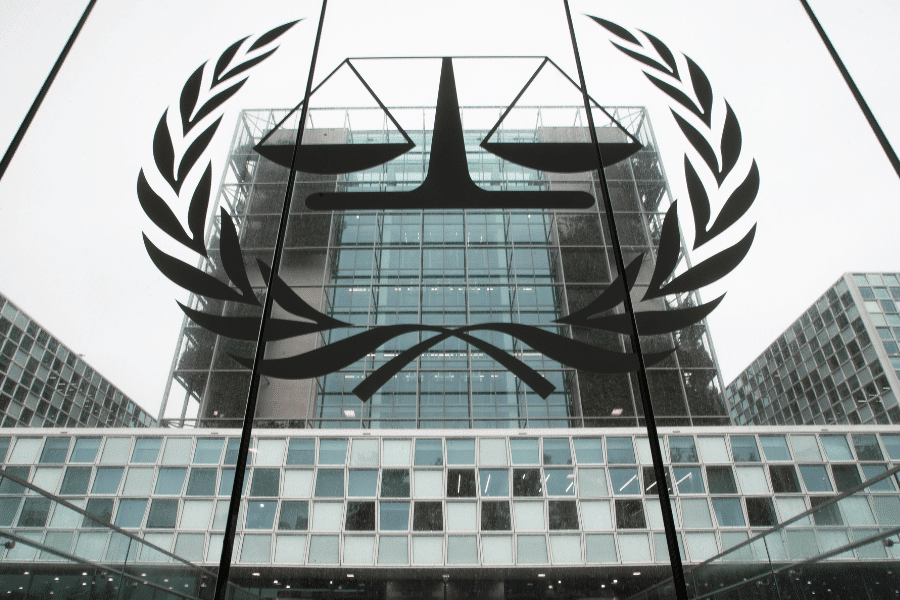
Decoder Replay: The International Criminal Court eyes Israel
The world’s court can issue arrest warrants against government leaders. But would a country like Israel submit to its authority? The...
Read More
The world’s court can issue arrest warrants against government leaders. But would a country like Israel submit to its authority? The...
Read More
In Russia, international press credentials don’t keep journalists out of prison. But how to stop Vladimir Putin from using arrests to spur...
Read More
To understand the anger and fear in Israel and Palestine, you have to go back to Israel’s foundation and the lines drawn in the sand. A...
Read More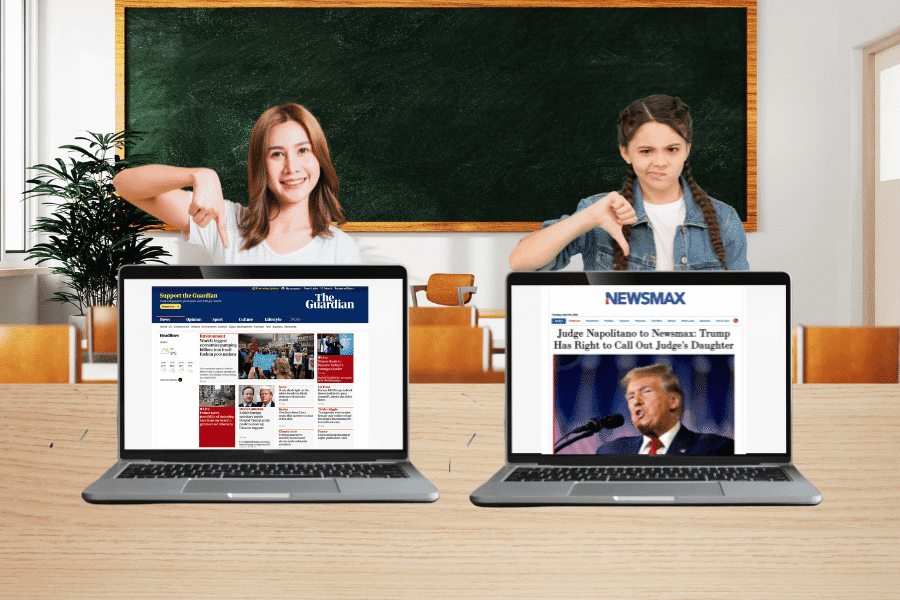
News and media literacy groups are calling on Europe to include journalism in media literacy education. Students need to know how to spot news they...
Read MoreYoung people engage with the news in its many, diverse forms but they can’t always trust its reliability or may not verify sources. It is vital that young people be able to discern between real news and fake, verified trustworthy sources and polemic, propaganda or clickbait. In this piece, Aralynn Abare McMane talks to news and media literacy groups and explores why they are calling for Europe to include journalism in media literacy education.
Exercise: In order to better understand the wider issues surrounding media literacy, ask students to choose one of the organizations or projects mentioned in the article. They should undertake independent research into what they do. In groups, they can look into their chosen organization or project and prepare a short presentation summarizing what they do and the key issues they address. They should then reflect on why this organization exists, what problem it solves and how its objectives help students like them in the real world.
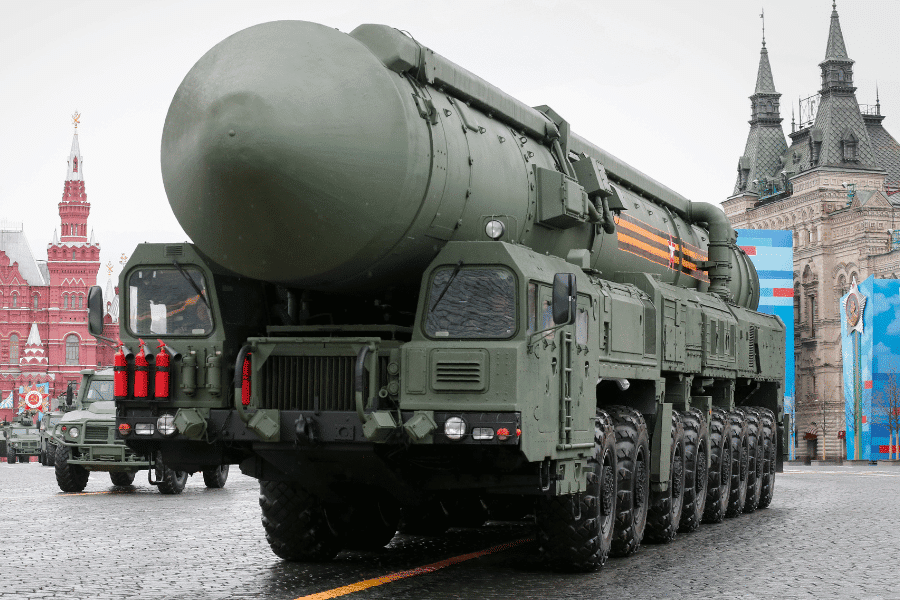
Three decades after the collapse of the Soviet Union, Russia’s invasion of Ukraine has revived dormant fears of a catastrophic nuclear war....
Read More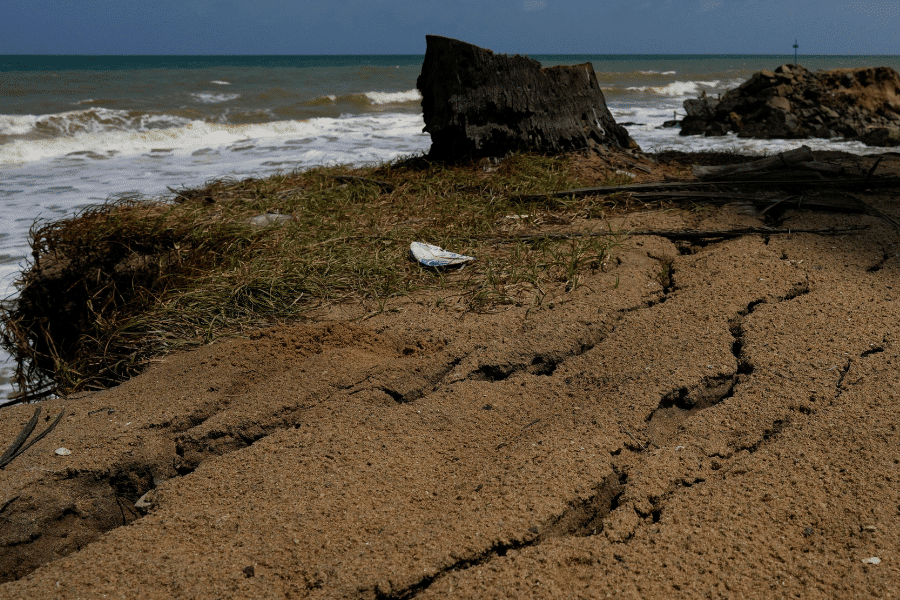
Sri Lanka is trying to do its part to combat climate change. But it will take a sea change to stop the ocean rising around the island nation. Cracks...
Read More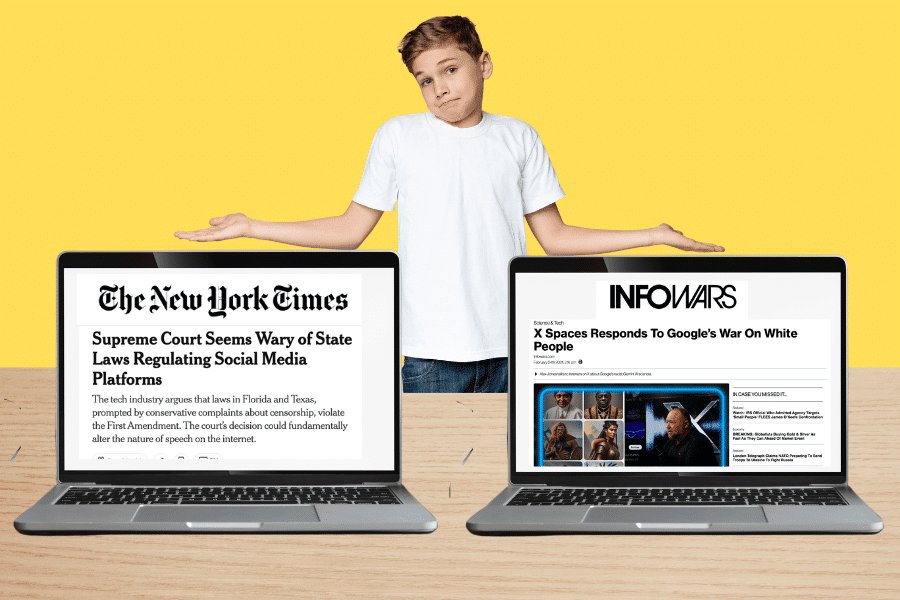
If a child is old enough to learn to read, it’s time to teach them to be media literate. But how to implement that in schools takes some...
Read MoreToday’s students are digital natives, but are they digitally literate? In this Classroom #Decoder, guest writer Michael Leedom of the University of Toronto surveys media literacy curriculums around the globe, finding that media literacy education in Finland may be the world’s most robust.
Exercise: Read the article with your class, then have students try their hand at “lateral reading”. This is defined in the text as “checking the credibility of a claim by consulting other sources. Rather than remaining on a website with questionable information to find answers, known as ‘vertical reading’, students are taught to open a new tab and see if new information conflicts with what more trusted websites offer.” Present students with a web page and have them verify the credibility of that page by practicing lateral reading.
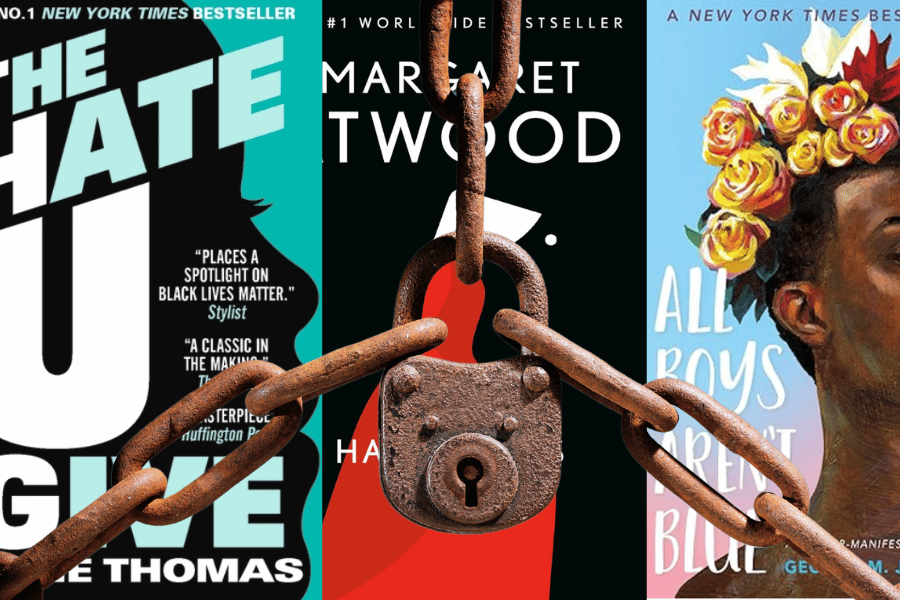
In more regions around the world people want to keep some books out of the hands of youth. But these are the books that engage kids the most. A...
Read MoreBook bans have historically been linked to authoritarian regimes. In recent years, we’ve seen the rise of book bans in democratic countries, too. This is a disturbing trend, and young people are noticing, too. In this piece from high schooler Emily Ireland of St. Andrew’s Episcopal School in the U.S. state of Mississippi, prompt student thinking on censorship and banning books with an evidence-based reasoning activity.
Exercise: Read the article with your class. Then, launch a class discussion on whether there are book topics that should or shouldn’t be banned in public schools in your country. Be sure to get into the nuances of this complicated topic: if some topics are inappropriate for certain audiences, who should be responsible for restricting access? Should it be governments, parents, schools? How might these parameters change from country to country, depending on context? This activity is well-suited to be a complementary teaching tool on a lesson about civil liberties (e.g. in the United States, the Bill of Rights).

For decades nations of the world abided by some basic international rules. What happens when this international order breaks down? Someone erases...
Read More
The Houthis, battle-hardened from years of fighting a civil war in Yemen, have proven to be a formidable adversary to Israel and its allies in the...
Read More
King Charles III now sits on the British throne. In Denmark, Crown Prince Frederik is expected to ascend. What role do these royals have in the...
Read MoreWith the ascension of King Frederik X to the Danish throne in January 2024, we reconsider the role of monarchs in a modern world. Using this republished piece from correspondent Harvey Morris, help students develop evidence-based reasoning skills with an accompanying classroom debate activity.
Exercise: Read the article with your class, then divide students into two debate groups. One group will represent a pro-monarchy opinion, and the other group will represent an anti-monarchy opinion. Students will answer the following debate question: Should monarchies around the world be abolished? To answer the question, students should prepare an argument using the Claim-Evidence-Reasoning framework. The claim answers the question. The evidence should be collected from the article or another reputable source. The reasoning should explain why the evidence supports the claim.

Despite the failure to achieve even substantial cease fires in Israel’s war with Hamas, there are people who still think lasting peace is...
Read More
Peru has had six presidents in five years. The one constant? A government that reacts with force when people call for change. A man beaten by police...
Read More
Journalists tend to depict conflict as violent struggles between good and bad. There is a different way to think about war. Syrian refugee children...
Read More
Hamas shatters the illusion of Israeli control. Palestinian militants attend a funeral of people killed during an Israeli military raid on a...
Read MoreContext matters and history matters. In this text from ND correspondent and Middle East expert Alistair Lyon, help your students understand the history behind the headlines surrounding Israel and Palestine.
Exercise: Read the article with your class, then have students create a timeline of key events mentioned in the text. Events may include: Hamas takes control of Gaza, Balfour Declaration, creation of Israel, British mandate to rule Palestine, British withdrawal from Middle East, the Holocaust, the Nakba, PLO 1988 declaration, founding of Hamas, Hamas wins parliamentary election, Oslo Accords, assassination of Itzhak Rabin, second Palestinian intifada, Israel withdraws from Gaza, Gaza blockade by Israel and Egypt. Is this long and complex history represented in social media posts and news stories about the conflict, or is it largely absent? Why and how does context matter?

Hostages held by Hamas. An invasion of Gaza. A crush of refugees fleeing for safety. This conflict has a long history and must be understood in...
Read More
Around the world, people are calling for the Taliban’s acts against women to be considered apartheid. Is how the world determines inequality...
Read More
To be globally aware, we depend on journalists around the world who risk their freedom and very lives to keep us informed. A mural depicting slain...
Read More
For Parisa Haidari, staying alive after the Taliban came to power meant leaving journalism. But that wasn’t enough. Parisa Haidari made her...
Read More
As Hartwell’s term on News Decoder’s board concludes, we recognize her enduring contributions to our nonprofit and the world of...
Read More