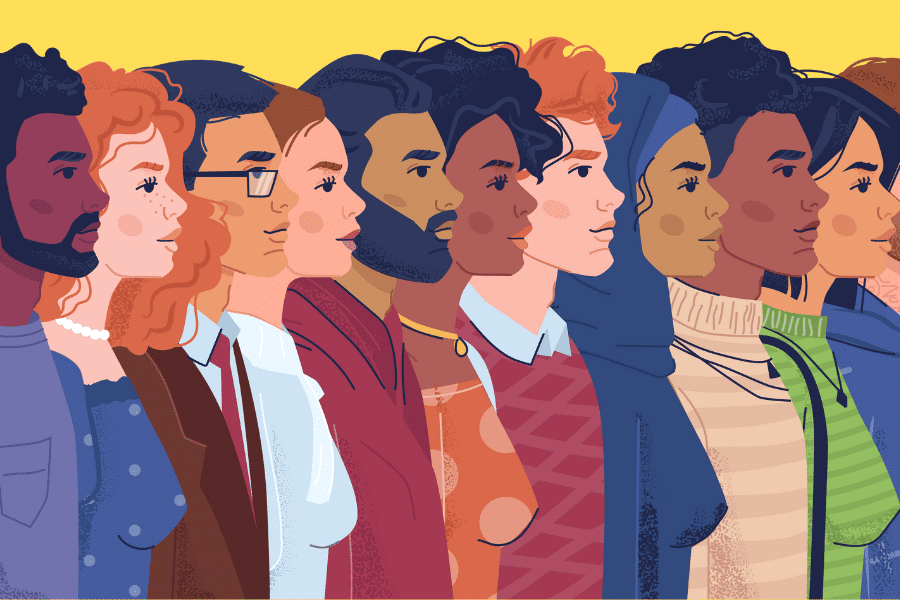
We asked young people from five countries this question: Is it time for young people to take charge? The answer is yes. They showed us different ways do it. (Credit: Sensvector via Canva) Journalism and activism can be powerful tools for change. Each week in our News...
How we perceive events like the war in Ukraine depends on our news sources. While never perfect, news media perform invaluable services. A note tacked onto a refrigerator reminds someone to pick up needed items including news. (Illustration by News Decoder)...
It might not be the job of your dreams. But it can give you the foundation for a successful career. An editor gives advice to two reporters. (Credit: Yuri Arcurs @peopleimages) Journalism and activism can be powerful tools for change. Each week in our News Decoder Top...
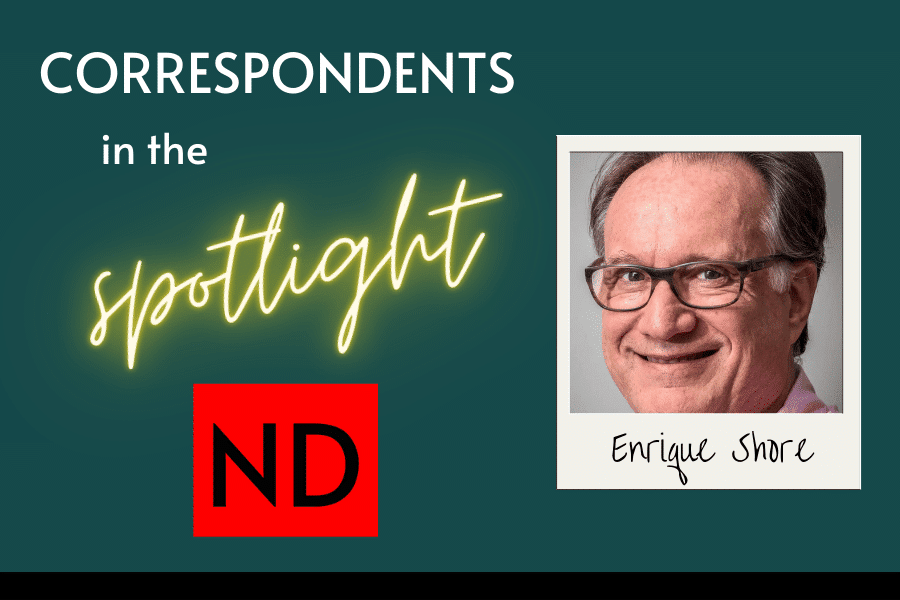
Photojournalism can document what’s happening now and chronicle our past so we can create a new future. Enrique Shore has spent a lifetime doing just that. When you read a published article on News Decoder, you’re only seeing part of the story. Who is writing...
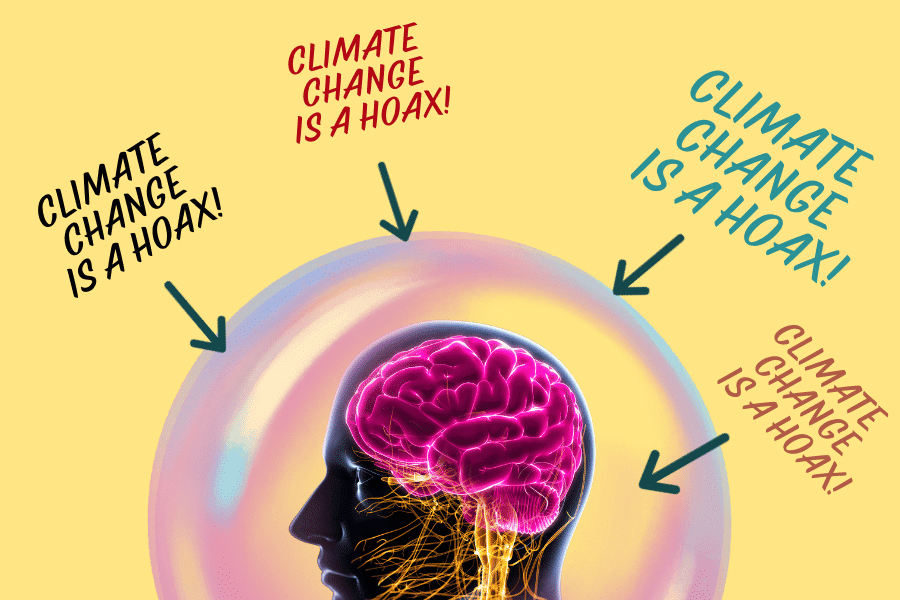
Why do so many people believe ridiculous things? Maybe because they read these things over and over. Can we stop the spread of dangerous misinformation? A man in a bubble hears repeatedly that climate change is a hoax. (Illustration by News Decoder) Journalism and...
Marcy Burstiner explores the dangers of repetition in the spread of misinformation and why if you repeat something untrue enough times and people just might start to believe it. Use this exercise to investigate how information is created and spread, to tackle fake news and rumor and to develop research skills, critical thinking and media literacy around news consumption.
Exercise: Choose a piece of news or advertising that you know to be inflated, untrue or explore an urban myth. Look into how this news became popular belief. Why did it gain popularity? What forces might be behind the spread of this information? Who does the narrative benefit? To start, you could work through a case study from this website as a class. Students then choose their piece of news to prove true or debunk as myth.
News Decoder’s EYES project pilots a new curriculum to inspire teachers and engage students in a deep dive into climate change in schools. A teacher discusses climate change with students. (Illustration by News Decoder) Secondary school students in Bahir Dar,...
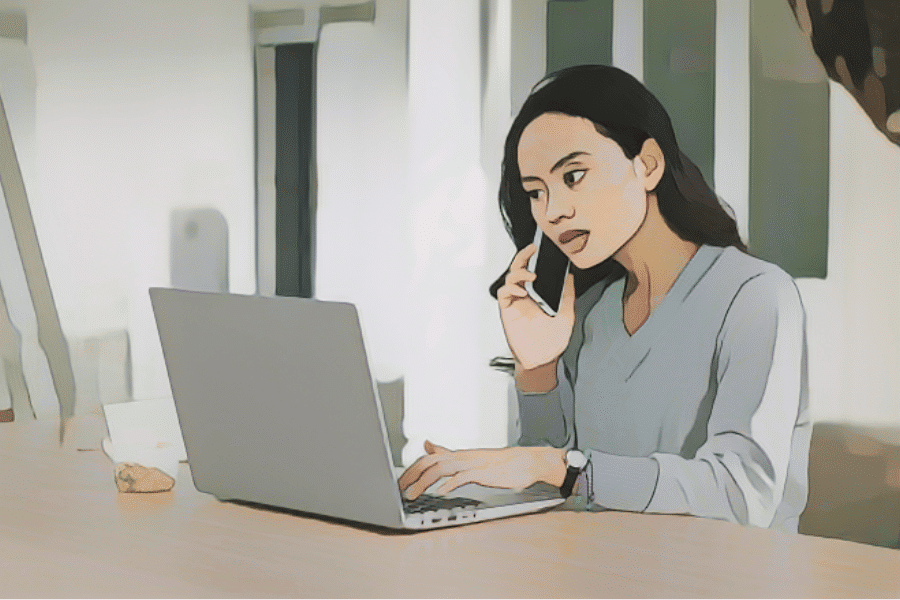
There are all kinds of interesting things happening around us and all kinds of interesting people. Turning them into news stories is a skill. A reporter tries to find news stories by calling around. (Illustration by News Decoder) Journalism and activism can be...
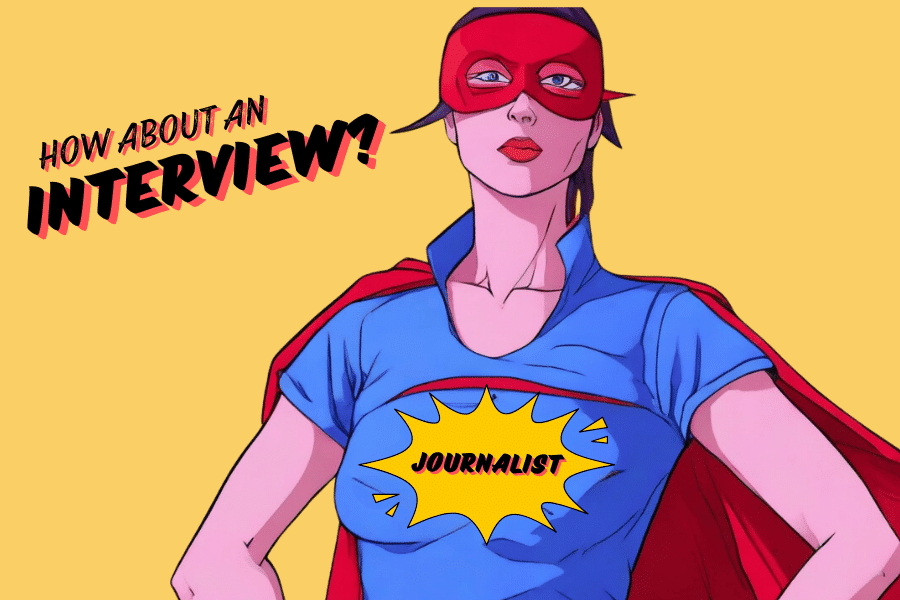
You don’t have to be from the New York Times or Le Monde to land an interview with someone important. Sometimes just being 16 is more impressive. A teen journalist as superhero. Illustration by News Decoder. Journalism and activism can be powerful tools for...
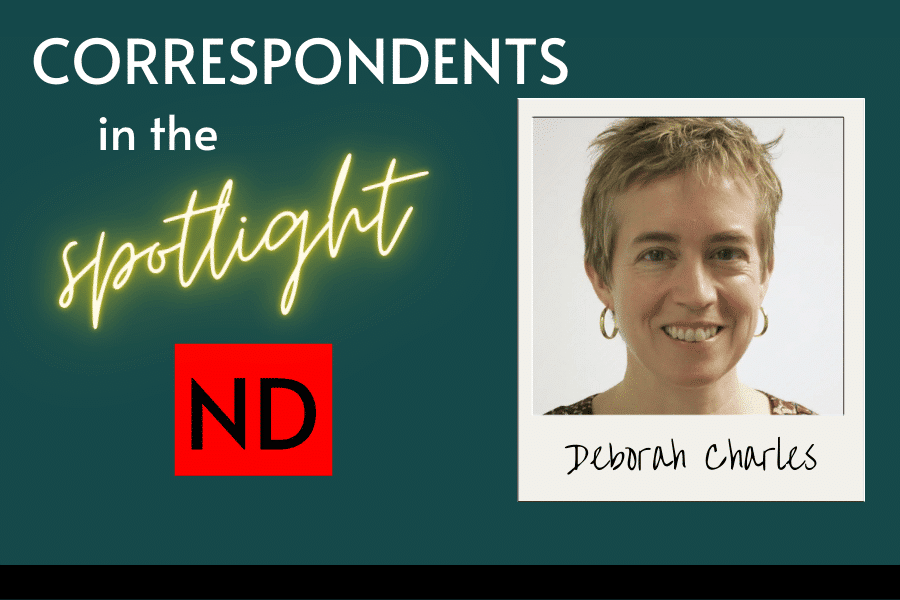
Journalist Deborah Charles never let a lack of knowledge stop her from reporting. The trick is to find the people who can walk you through it. When you read a published article on News Decoder, you’re only seeing part of the story. Who is writing it? What went into...
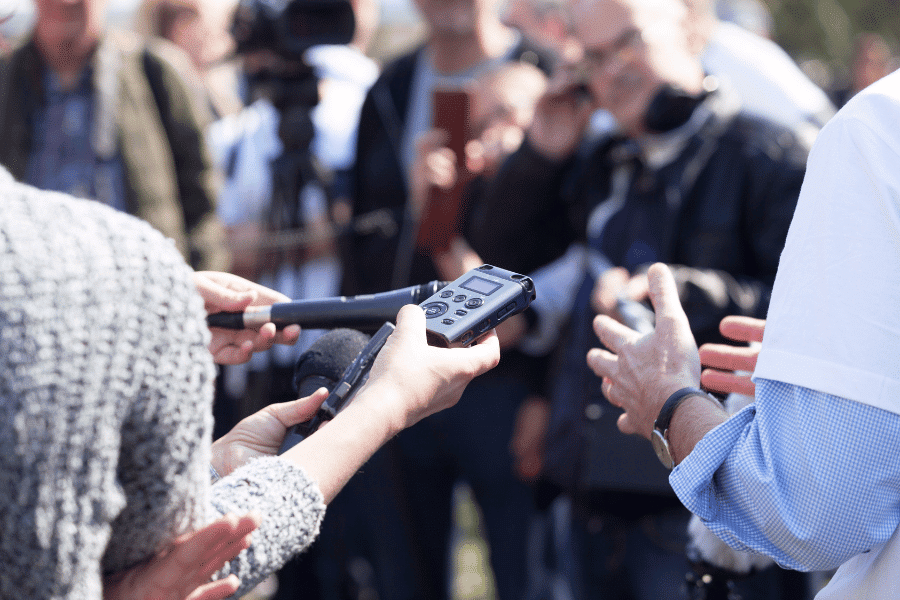
A news story is only as good as the sources of information the reporter relied on. And figuring out where to find trustworthy information is a challenge. A reporter records an interview. (Mihajlo Maricic/Getty Images) Journalism and activism can be powerful tools for...