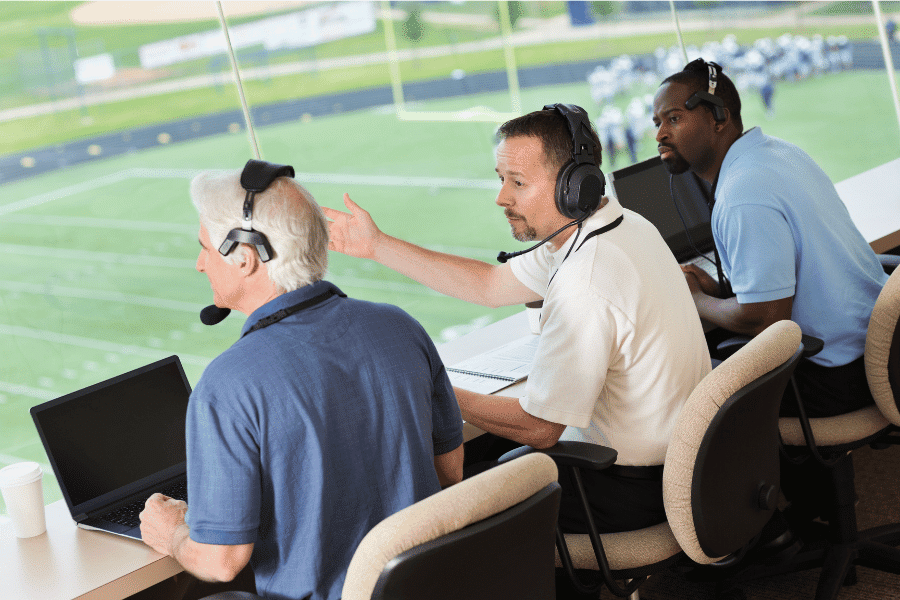
When you read or hear a story do you feel left out because you don’t know the background? Why do some stories leave us feeling stupid? Professional sports commentators in press box at American football game. (Credit: SDI Productions/Getty Images Signature)...
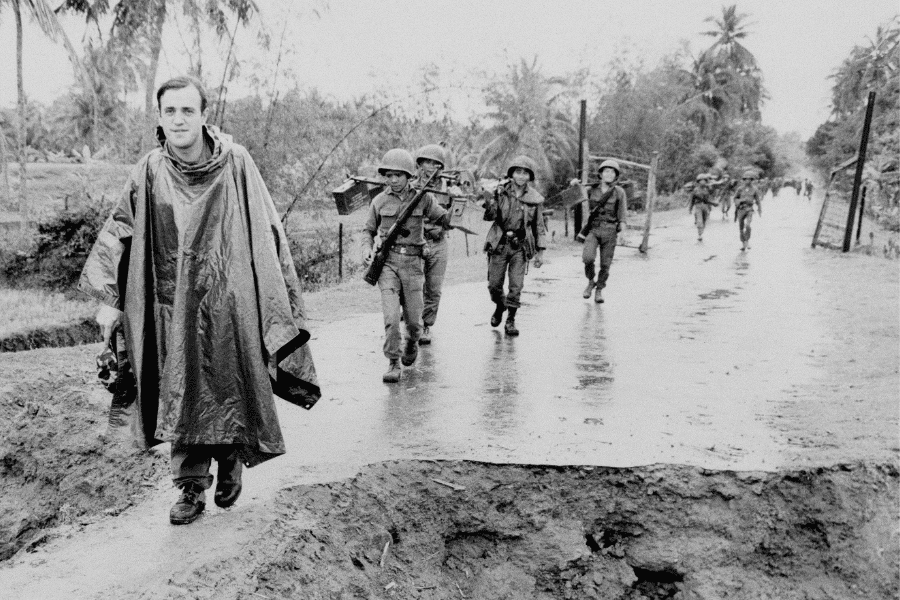
In 1962 reporters arriving in Vietnam found an increasing U.S. military presence that wasn’t supposed to exist. Reporting what was happening took courage. Associated Press correspondent Peter Arnett, left, marches in column with Vietnamese troops as he covers...
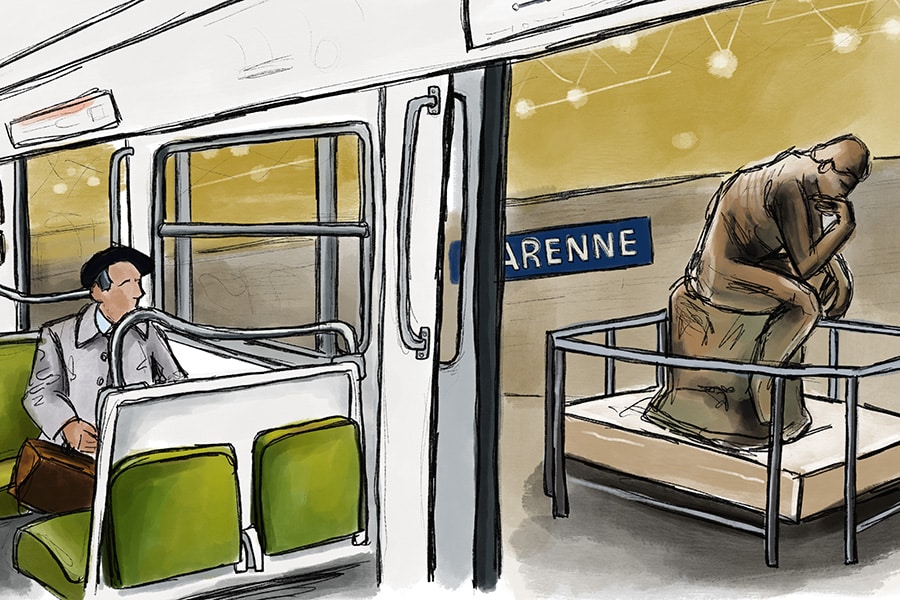
A photo might be worth a thousand words. But an artistic drawing can tell a story in a different, and powerful way. Replica of “The Thinker” by Auguste Rodin at the Varenne metro station in Paris. (Illustration by Maria Krasinski) In News Decoder’s...
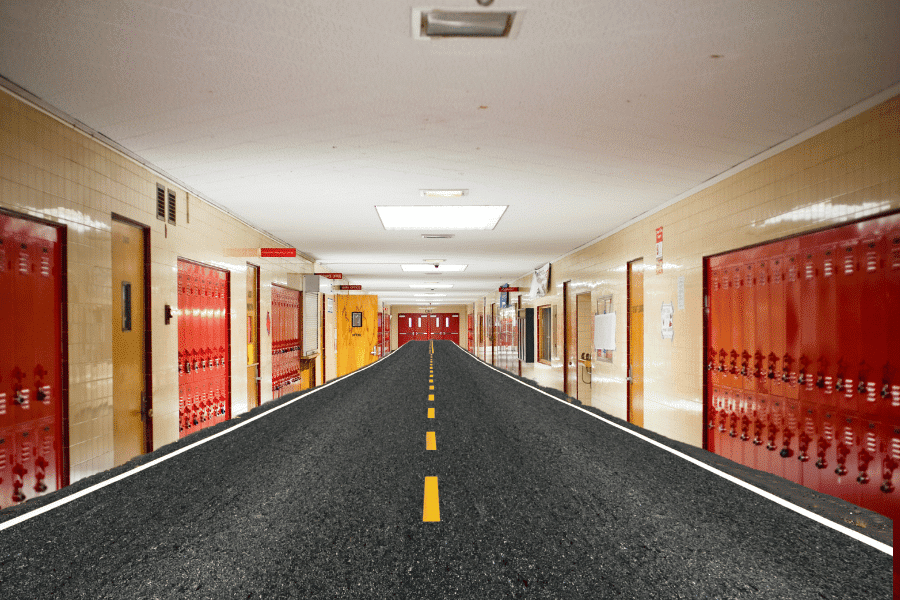
News Decoder asked four young women for advice for high school students. They say the future is what you make it but it might not be what you expect. A highway starts out of a high school corridor. (Illustration by News Decoder) In News Decoder’s Top Tips, we...
In a world where everyone has to have their say, listening has become a lost art. But it is the key to getting the best stories. A deer with big ears listens for predators. (Credit: Magda Ehlers/Pexels) Journalism can be a powerful tool for change. But a story...
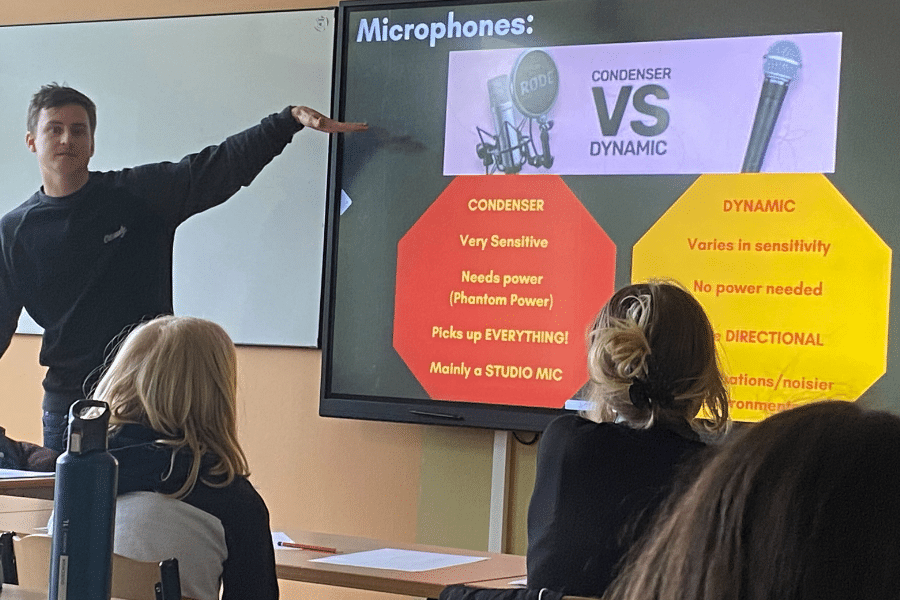
What’s the point of reporting on an unsolvable problem? Instead, identify solutions people can act on. News Decoder’s Program & Communications Manager Cathal O’Luanaigh gives a workshop on podcasting. Credit: News Decoder Journalism can be a...
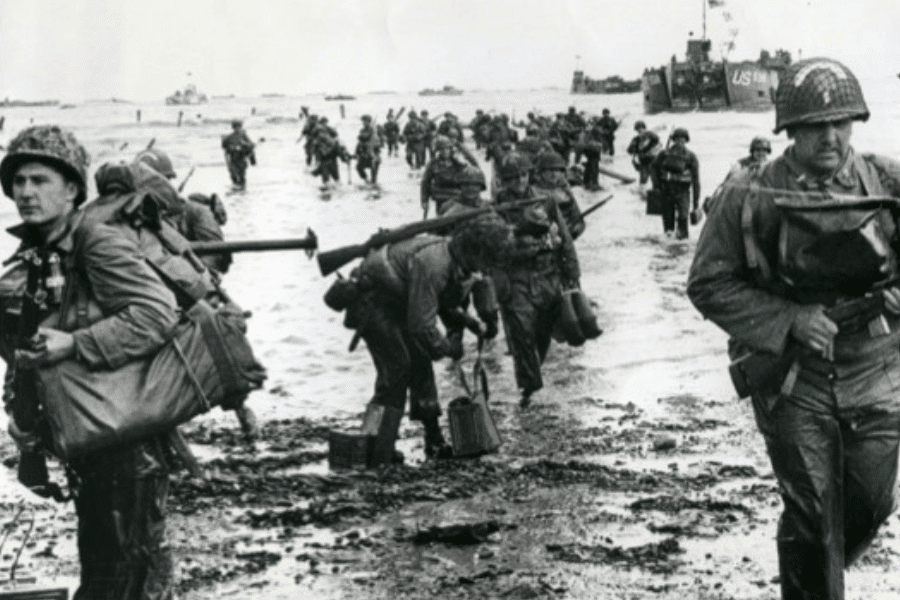
With the 156,000 allied troops who came ashore at Normandy on D-Day were 500 news reporters armed only with pens, paper, cameras and recording equipment. While hundreds of others move towards the beach in landing craft, American assault troops, with full equipment,...
Accompanying the 156,000 allied troops who came ashore at Normandy on D-Day were 500 news reporters armed only with pens, paper and recording equipment. Correspondent Tira Shubart looks at what it was like to be a war reporter in 1944.
Exercise: Read the article and discuss the dangers journalists faced in the Second World War, the reasons why they chose to report and the difficulties they might have had in reporting. Imagine you are a WWII reporter. Write a journal entry describing a snapshot of what you experienced on a given day. For inspiration, search for photos or articles by Robert Capa, Martha Gellhorn or Lee Miller and use them as a starting point. Think about what happened before and after the article or photo. Keep in mind how the events you experienced had wider, cross-border importance and how your chosen event impacted the world.
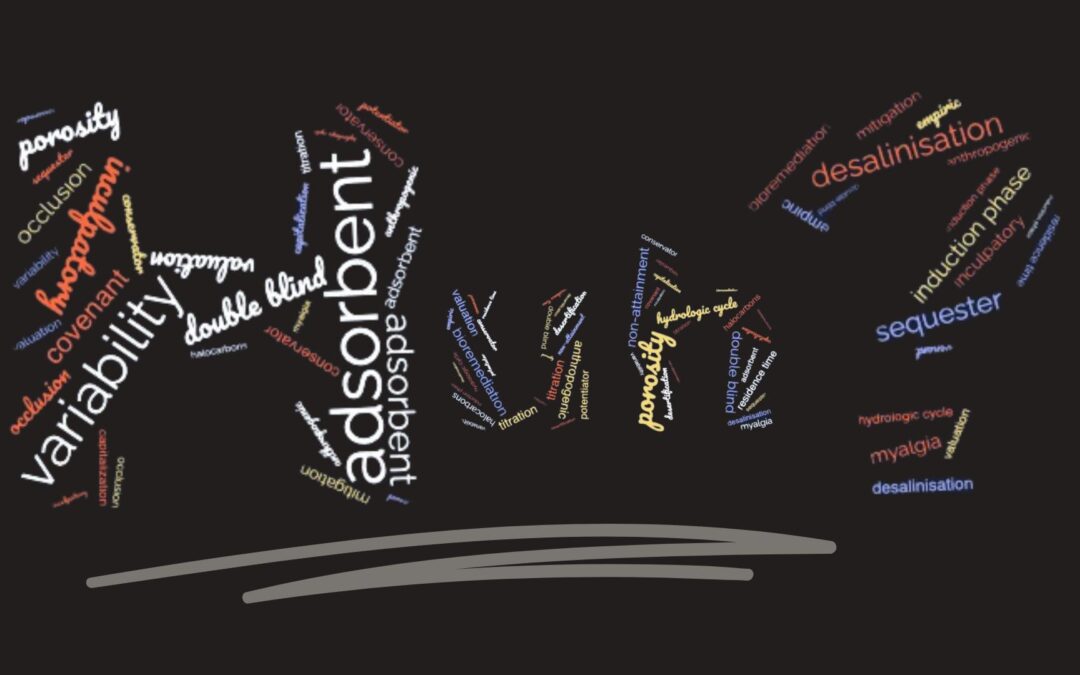
Within professions, people use terminology to be precise. But for communication, clarity requires simple language. A confusion of terminology forms the word Huh? (Illustration by News Decoder) This article was produced exclusively for News Decoder’s global news...
Photojournalists tell stories through images. To do that they have to get into the thick of it. A man is arrested during the protests against the government of President Dina Boluarte in Lima, Peru on 4 February 2023. Credit: Alfonso Silva-Santisteban. This article...
Telling stories through photos doesn’t require an expensive camera and decades of experience. Students can be photojournalists too — so long as they’re prepared and know what makes an effective photo. In this piece, correspondent Norma Hilton covers tips for capturing news with a camera, while staying safe.
Exercise: Read the article with your class, then have students compile a list of photojournalism tips from the text. With these tips in mind, students will then go out into the local community to take photos of a newsworthy event (e.g. a student rally, school football game, mayoral debate, city council meeting, etc.). Can students capture an effective photo that tells a story? As an extension of this exercise, students can put together a photo essay and pitch their story to us for a chance to be published on our global news site.
Your opinion matters. But how you express that opinion in print can mean a yawning reader or one who can’t stop thinking about your ideas. Girl reads by flashlight under the covers. Illustration by News Decoder. If you go to a gathering and someone starts to...