
On International Fact-Checking Day, we recognize the many ways truth has blurred and the ways people are working to separate what’s real from what’s false.

Two sections in a bookstore for facts and fiction. (Illustration by News Decoder)
According to a recent report from the Reporters Lab at Duke University, there were 443 active fact-checking organizations across 116 countries in 2025. The number of organizations is down two from the previous year. The report noted that the loss was due to the elimination of a program run by the social media giant Meta to work with fact-checkers to keep dangerous falsehoods spreading on its Facebook and Instagram sites.
The report also noted that despite the decrease, the number of articles fact checked rose 6% and some 80 projects are located in countries that Reporters Without Borders has been deemed particularly dangerous for the press.
In recognition of International Fact-Checking Day on 2 April, we have put together a variety of articles that explore fact-checking and the problems of disinformation.

That info you found. You sure of the source?
It is hard to tell if information has been aggregated when you find it on the internet. Getting a story right means tracking down the original source.
You can handle the truth. But can you verify it?
Making sure that information is true isn’t easy. Our correspondent takes you through the arduous process of fact-checking a news story.

Is that a fact?
It can be difficult to tell the difference between fact and opinion. And some things we consider true may not be true to all people.
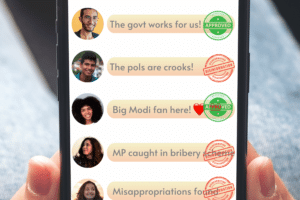
Can a government fact check be fair?
The Indian government seeks to establish a system to weed out disinformation. But it seems targeted at only posts that knock those in power.
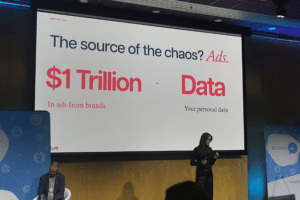
Nurturing facts out of the weeds of disinformation
To counter the lies slowing the fight against climate change and harming our democratic institutions will take a global effort. But people are mobilising.
The power of posts that tug at your heartstrings
‘Bait-and-switch’ internet scams target us with emotionally-charged posts. But do you know what your friends see when you share those posts with your network?


Spot a conspiracy theory before you spread it
Conspiracy theories are fun to argue about but they are dangerous ideas to spread. Here’s some ideas to help you avoid doing that.
Sharing is good, except when it isn’t
Sometimes we feel compelled to share or repost what we read. But when we do, we might unwittingly spread disinformation. Beware of “copypasta.”
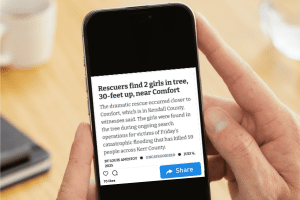
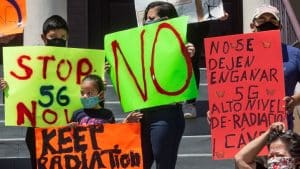
Why do conspiracy theories thrive during a crisis?
They’ve been around for a long time and flourish in a crisis. Conspiracy theories may seem absurd and harmless to some — but they can do damage.