
There’s vitamin D for bones, ginkgo biloba for memory, St. John’s wort for your mood, zinc for an immune boost. If it’s all natural, what’s the problem?
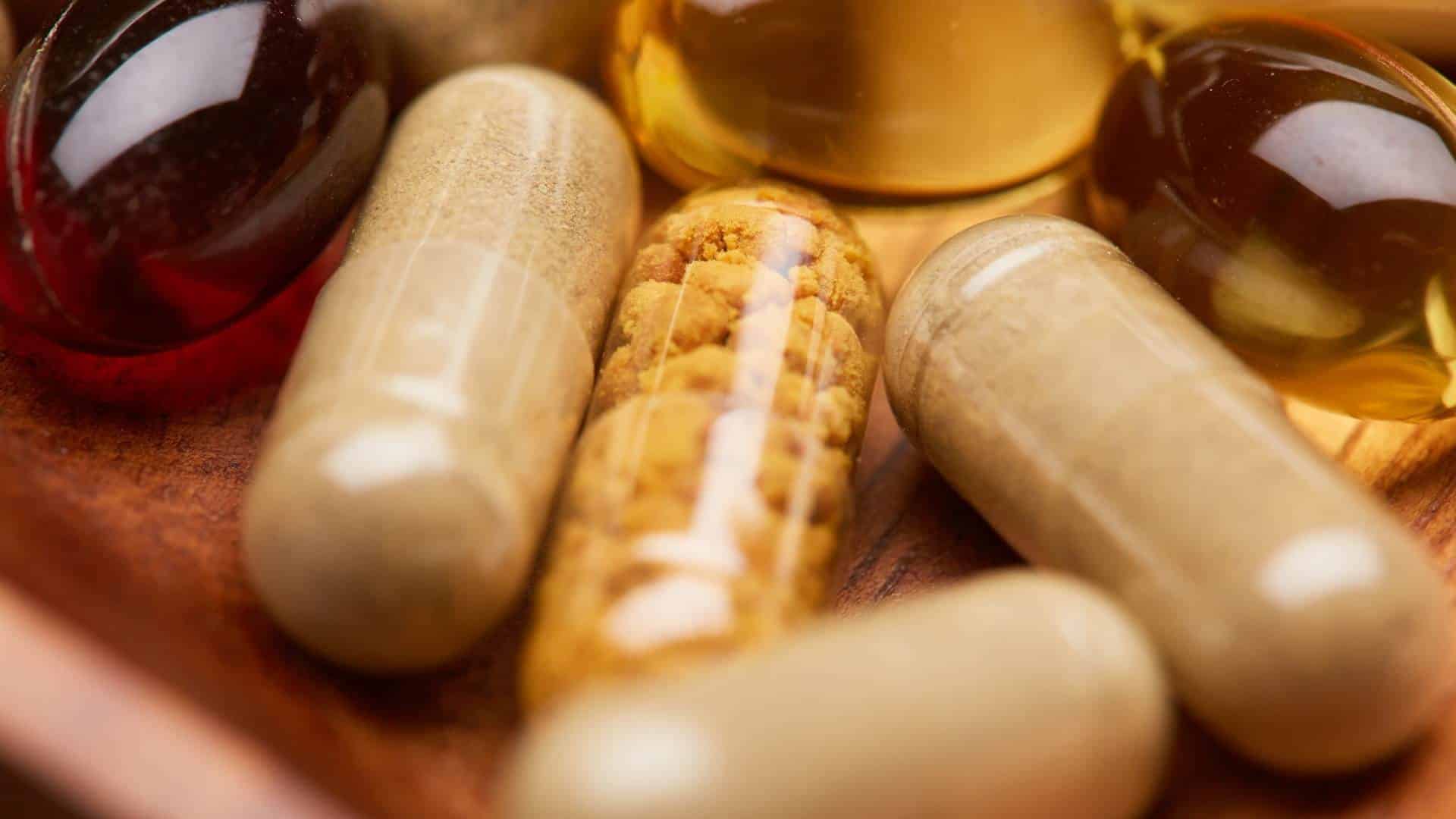
Vitamin pills. (Photo by photoniko)
In 2023, David Mitchener, 89, was admitted to a hospital in Surrey, England where he died. His death was attributed, in part, to high levels of Vitamin D, which he had been taking for nine months before his death.
It turns out that using herbal remedies and nutritional supplements could put your health at risk.
In a 2020 study at a Canadian naturopathic clinic, 42% of participants said they did not discuss their use of natural health products, including herbal remedies and vitamins, with their doctor. It turns out there are risks associated with not disclosing that you’re taking herbal remedies and supplements.
Some people are aware of the risks and are careful when using these products, but some people aren’t, said Frances Atcheson, a community pharmacist based in Northern Ireland. “There is a danger with people thinking that they’re always safe to take, just because they’re natural.”
Lezley-Anne Hanna, chair of pharmacy education at Queen’s University Belfast, said that the products could interfere with a patient getting a correct diagnosis. “If you didn’t disclose that you were on an herbal medicine, well, that could actually be causing your symptoms in the first place,” Hanna said.
Drug interactions
A major risk, Atcheson said, is that the natural medicines will interact negatively with with conventional medicine. Increased bleeding risk, for example, is associated with using herbal remedies such as ginkgo biloba, cranberry juice and ginger at the same time as blood-thinning medication, such as warfarin and aspirin.
In 2014, the Medicines and Healthcare products Regulatory Agency (MHRA), which regulates medicines in the United Kingdom, warned about the interaction between hormonal contraceptives and St. John’s wort, a herbal supplement that is used to alleviate mild depression and anxiety.
Such interaction has been blamed for unplanned pregnancies. St. John’s wort can also cause serotonin syndrome when used with other antidepressants. This can show up as high blood pressure, shivering and mania.
Ayurvedic medicine, which originated in India, uses many herbal remedies. The products can also include metals. However, in December 2025, the U.S. Food and Drug Administration issued a warning about the possibility of heavy metal poisoning, such as lead and mercury, when using Ayurvedic products.
This could lead to infertility, kidney and brain damage and convulsions.Taking herbal remedies and supplements when there aren’t specific symptoms or illnesses has risks too.
Side effects of natural remedies
While taking Vitamin D supplements is recommended for everyone in the United Kingdom by the Department of Health and Social Care, too much Vitamin D can lead to bone pain, loss of appetite and abdominal pain in otherwise healthy patients.
Liver injury caused by herbal remedies and supplements has been reported in Australia, the United States and Spain, in some cases so serious that it led to the need of a liver transplant.
Seema Haribhai, a 37-year-old woman from North London, became concerned about the potential side effects of conventional medication and turned to herbal remedies to treat psoriatic arthritis — a type of arthritis that causes pain and swelling in joints. A coroner’s report attributed her death to liver failure that might have been aggravated by herbal remedies recommended by an Ayurvedic medicine practitioner. “All medicines can cause harm, even those that are herbal based,” the report said.
Eva Delaney, 24, of Belfast takes the herbal supplement ginkgo biloba to improve brain function and Kalms tablets, which contain the herb valerian root, to reduce stress. She says she found out about the supplements in the pharmacy where she worked and consulted a pharmacist at her work before buying the products. “It probably should be the thing where you should always go to your pharmacist first,” she said.
Hanna said that pharmacists should be able to discuss these products in the context of patient safety. “Pharmacists are the expert in the safe and effective use of medicine,” she said.
Discussing herbal medicine with doctors
What form the herbal remedies and supplements take, Delaney said, play a role in whether people tell a healthcare professional they’re taking them. “I think if it’s a tablet, you’d be more inclined to tell someone, ‘Oh, I’m taking this’,” Delaney said. “But if it was anything else, like a syrup … I think it would be harder to consider that as a medicine.”
In a 2021 study, more than 90% of pregnant women in Ethiopia using herbal remedies throughout their pregnancies did not discuss this with their health-care professionals. The most common reason they gave was that the healthcare professional did not ask.
Atcheson said that she wouldn’t normally ask about herbal remedies specifically. But she will ask patients: “Are you on any other prescribed medication or do you take anything over the counter? And sometimes they will volunteer information if they’re taking herbal remedies or supplements.”
Hanna said that healthcare professionals need to ask specific questions in order to learn about patients’ use of herbal remedies and supplements. “If you want to know if somebody’s on a herbal medicine,” she said, “you need to ask.”
It is also important for healthcare professionals to know their own limitations, and to know how to find the information they lack. “It’s about accepting that you may not know that particular product or you may not know that name,” Hanna said. “But where can you go and find out reliable information? Where could you advise the person to go?”
Finding reliable resources
Atcheson said that she uses the online Cochrane Library as a resource when presented with a patient question she can’t answer. The Cochrane Library provides evidence-based information on herbal remedies and supplements and their effectiveness in different medical conditions. Unfortunately, she said, there aren’t many other readily available resources. “Apart from the Cochrane Library, I’m just going onto Google Scholar looking for reviews,” she said.
Atcheson recalls telling a patient not to take collagen supplements because the patient had chronic kidney disease. “There’s something about collagen where it can actually interfere with the kidneys when you take it orally,” she said.
Many young people find misinformation on the internet, she said. “I’ve heard about people buying supplements and herbal remedies for weight loss,” Atcheson said. “It’s especially risky when you’re buying things on the internet. Then there’s no point of contact at all.”
In the UK, people can look for a Traditional Herbal Registration symbol on product packaging when deciding whether to buy a herbal remedy. This symbol means the product has met the safety and quality standards set by the MHRA.
Hanna said that discussing over-the-counter products with a health-care professional can help patients feel empowered about their own health and provide them with unbiased information.
“It really would be a missed opportunity to not use a healthcare professional,” she said, “and to help you whenever you’re thinking about a herbal medicine.”
Questions to consider:
1. Why don’t many people discuss herbal medicines with their medical doctors?
2. What are some things you need to consider before taking vitamins or herbal remedies?
3. If you or someone you know takes vitamins, how did you or they decide to do that?
Mahima Adey is a newly-qualified pharmacist based in the United Kingdom and is currently a journalism fellow at the Dalla Lana School of Public Health at the University of Toronto. With experience in community pharmacy, she strives to ensure utmost patient safety through continuous learning and communication with other healthcare professionals. Mahima is also interested in sustainability within healthcare.
1. Why don’t many people discuss herbal medicines with their medical doctors?
I think because the people consider the herbal medicine more effective than medical doctors.
2. What are some things you need to consider before taking vitamins or herbal remedies?
Telling about to a medical doctor.
3. If you or someone you know takes vitamins, how did you or they decide to do that?
By mouth to mouth. I mean, because a friend told them.
Very important topic and thoughtful article regarding the potential side effects of herbal supplements and vitamins.
Why is it that so many never think of discussing this with a clinician: doctor, pharmacist.nurse practitioner or informing their nurse when they complete a medication list?
Thank you for your article.