by Danylo Bryhinskyi | 21 Mar 2024 | Environment, Europe, Realgymnasium Rämibühl Zürich, Student Posts, Youth Voices
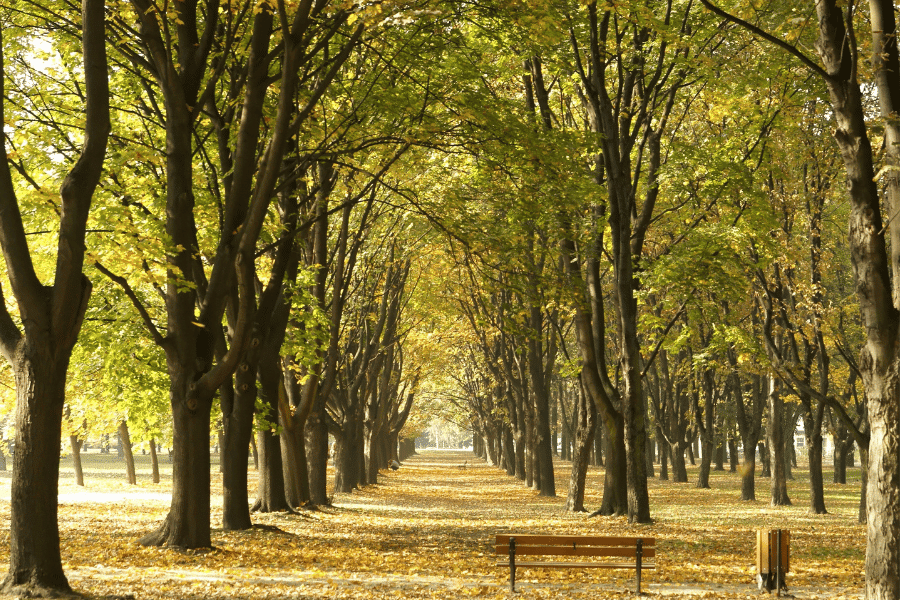
Can we turn from plastic to paper without cutting down more trees? At 16, Valentyn Frechka decided he could make paper from fallen leaves. Trees in an urban forest. (Photo by Tom & Anna on Pixnio) This article, by high school student Danylo Bryhinskyi, was...
by Helen Womack | 26 Feb 2024 | History, Journalism, Russia, Ukraine
Millions in Russia mourn the death of opposition leader Alexei Navalny but few do so openly. In Russia, grieving is an act of political defiance. A man holds a poster reading “Freedom for Seva Korolev and all political prisoners” as he comes to pay tribute...

by Daniel Warner | 21 Nov 2023 | Decoders, Educators' Catalog, History, Israel-Palestine, Politics, Russia, Ukraine
There is an evolving global consensus that some acts of violence in warfare are not acceptable. But how in the world can we enforce that? Headquarters of the International Criminal Court in The Hague, Netherlands. This article was produced exclusively for News...
Headlines about today’s international conflicts in Gaza and Ukraine paint atrocious pictures of war crimes and violent attacks. Are these actions sanctioned in the eyes of international humanitarian law? Correspondent and political science professor Daniel Warner of the Graduate Institute in Geneva gives an overview.
Exercise: Using this summary document from the Red Cross, print out 30-40 articles from the Geneva Conventions and their Additional Protocols. Cut each article out separately. Then, prepare a large board/poster for sorting and pasting the articles, divided into four sections: civilians, prisoners of war, wounded/sick, critical infrastructure. Have students read through each article and sort them within the four categories. As they learn more about the Conventions, you may consider bringing in current headlines to evaluate whether or not today’s conflicts have abided by these international humanitarian laws. Note: Consider creating 4-5 sets of article texts and sorting posters if you have a large class, or create a digital version via Google Slides.
by Jan Oberg | 15 Nov 2023 | Decoder Replay, Journalism, Media Literacy, Middle East
Journalists tend to depict conflict as violent struggles between good and bad. There is a different way to think about war. Syrian refugee children in Lebanon (Wikimedia Commons/Trócaire/Eoghan Rice) Editor’s note: This week News Decoder is exploring the future...
by Enrique Shore | 27 Sep 2023 | Educators' Catalog, Politics, Russia, Ukraine, World
Ukraine leader Volodymyr Zelensky criticized the UN for failing to stop Russia’s invasion. But to do more would mean changing how the United Nations works. Ukraine’s president Zelensky criticizes the United Nations for not doing enough to stop the war, during...
ND photojournalist Enrique Shore takes us to the 78th UN General Assembly in his piece covering Ukraine leader Volodymyr Zelensky’s speech condemning Russia’s invasion of his country. Is holding Russia accountable for its “unprovoked aggression” possible given the current United Nations structure?
Exercise: Read the article with your class, then have students analyze this political cartoon (symbolism, captions, dialogue, etc.). What parallels can students draw between the information in the article and the symbols in the political cartoon? How likely is reform of the current UN structure? Students can then create their own political cartoons depicting the structural tensions detailed in the article.