
Newsfeed
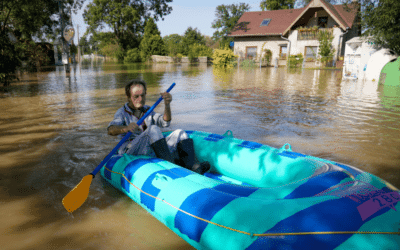
Extreme weather makes climate change a reality now
Even as different places adapt differently to floods and famine, heat and cold, we have to learn how to cool down our planet together.

Top Tips: Can you eliminate your bias from your story?
Journalists are trained to be objective. But what does that mean and where did that idea come from? And is it achievable?
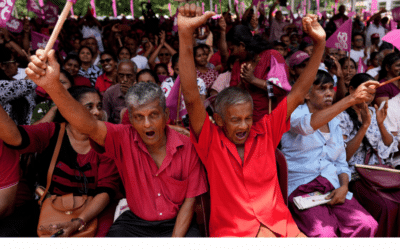
Fighting systemic corruption through the ballot box
In Sri Lanka and elsewhere, people are telling elected politicians to clean up their act or find themselves out of a job.

Decoder Replay: If politicians lie what should the media do?
U.S. presidents have often twisted the truth. But Donald Trump has flooded the media with falsehoods in a unique challenge to democratic institutions.
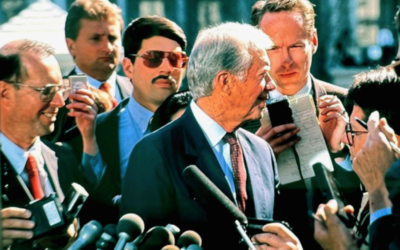
Happy birthday to the president who pushed for peace
Jimmy Carter wasn’t expected to be president. When he failed to get reelected, most people expected to forget him. He ended up setting a model few could follow.

Swimming in the wake of ancient explorers
On a wild swim tour of Greece you might not brush aginst ancient stones. But each stroke you take breaks through a history as deep as the Ionian Sea.

Top Tips: It’s not too early to lead change
We asked young people from five countries this question: Is it time for young people to take charge? The answer is yes. They showed us different ways do it.

A year ago we told Europe: Lend us your ears
The community of European podcasters dubbed WePod marks its first anniversary, connecting voices to audiences across the EU.

Decoder Replay: Is the news media necessary?
How we perceive events like the war in Ukraine depends on our news sources. While never perfect, news media perform invaluable services.
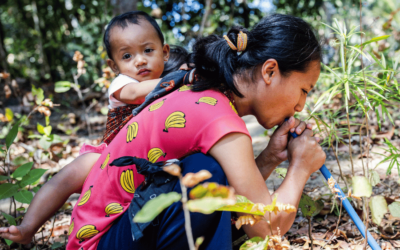
What drought looks like
On the island of Java, climate change has disrupted the traditional weather cycles, leaving residents trying to figure out how to survive months without rain.

Decoder: Vietnam’s bamboo diplomacy
Vietnam has long had to dance between powerful allies and enemies. That’s left it poised to maneuver in the political chaos that now swirls around it.

Top Tips: You might get more from your first job than money
It might not be the job of your dreams. But it can give you the foundation for a successful career.

Does the stock market prefer one candidate over another?
Voting your conscience might affect money markets but perhaps not in the way many people think.

Decoder Replay: What does it mean to be German?
With an influx of migrants over the past decade, Germany is reconciling to rapidly changing demographics. The idea of German identity is evolving.

Correspondents in the spotlight: Enrique Shore
Photojournalism can document what’s happening now and chronicle our past so we can create a new future. Enrique Shore has spent a lifetime doing just that.

Decoder: Are international rules made to be broken?
Russia didn’t attend the 75th birthday of the Geneva Conventions. Are the treaties that govern how nations conduct war still relevant in today’s chaotic world?
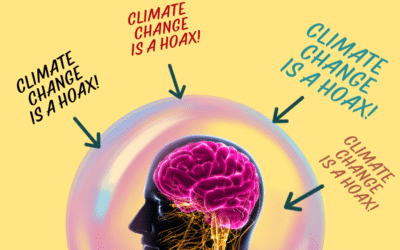
Top tips: Beware the power of repetition
Why do so many people believe ridiculous things? Maybe because they read these things over and over. Can we stop the spread of dangerous misinformation?

What draws immigrants to some countries and not others?
Hungary is not known for welcoming immigrants. But in a country where the language is difficult to master, many immigrants simply choose to move on.

Decoder Replay: Mass shootings as a global problem
It is easy to write off mass shootings as a U.S. problem. But they are on the rise globally. Can we find global solutions to this massive problem?

Tying climate change science to storytelling in classrooms
News Decoder’s EYES project pilots a new curriculum to inspire teachers and engage students in a deep dive into climate change in schools.
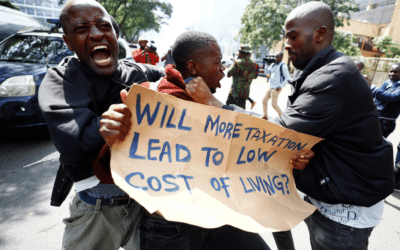
Youth power rises in East Africa
Strong governments in Kenya and Uganda are grappling with a new problem: angry, organized young people demanding change.

Top Tips: Can you find a news story?
There are all kinds of interesting things happening around us and all kinds of interesting people. Turning them into news stories is a skill.

The legacy of leadership
Can even leaders on the wrong side of history be credited for good outcomes? Can awful leaders be awe-inspiring?
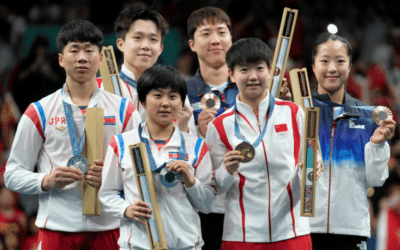
Decoder Replay: Ping pong and cross border connections
A selfie on the Olympic podium of competing ping pong players from North and South Korea reminds us of the ability of sports to bridge political divides.

Decoder: Can the U.S. immigration system be fixed?
One candidate in the upcoming election vows to deport millions of people. The other wants complicated changes to current laws. Is either solution feasible?

Ears to you: Take a moment to stop and listen
Before the noise of the new school year begins, take a deep breath, put on those earbuds and tune into something focused and enlightening.
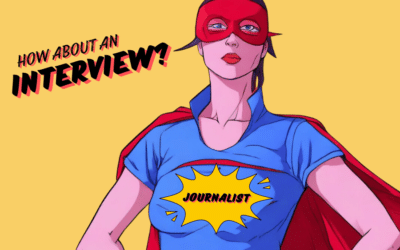
Top Tips: Being a teen is a secret superpower
You don’t have to be from the New York Times or Le Monde to land an interview with someone important. Sometimes just being 16 is more impressive.
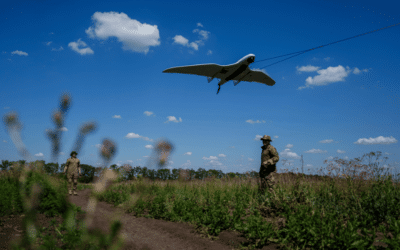
Decoder Replay: Should we dread the use of drones in war?
Drones are being used in warfare in Ukraine, Sudan and the Middle East. Other nations have them. How did we get to this point and how much should it worry us?

Brushing up on artificial intelligence
Artificial intelligence will change our lives in ways difficult to imagine. But we are trying to imagine it anyway.

The adventure of going from ignorance to experience
Journalist Deborah Charles never let a lack of knowledge stop her from reporting. The trick is to find the people who can walk you through it.

Top Tips: Where’d you get that information?
A news story is only as good as the sources of information the reporter relied on. And figuring out where to find trustworthy information is a challenge.

In Ireland and worldwide, Irish music brings people together
A giant crowd of people playing tin whistles — small flutes — in the Irish town of Wexford showed the world how music can connect people and communities and be, well, good craic.

Decoder Replay: Why Japan’s stability is important to the world
As China and Russia tighten their alliance, Japan has emerged as an important partner to the West. A sudden change in leadership there has wider implications.

How one physician uses journalism to address society’s ills
With a digital camera, Alfonso Silva-Santisteban has found that telling people’s stories can help society heal in a way medicine can’t.
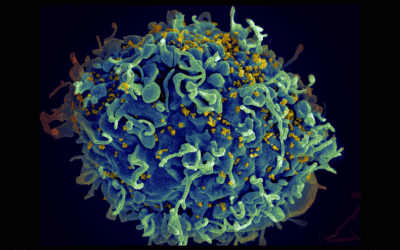
Scientists and social activists work to fight AIDS together
After four decades and some 40 millions deaths, can we end this worldwide health crisis?
Top Tips: Can you develop a nose for news?
Not everything that happens is news. To entice an editor to publish or air your story it needs to interest readers or listeners. But there are ways to tell if a story will be a good one.

Has the “end of history” already begun?
Go back two decades and the trend was towards global democracy. Now we are seeing rising authoritarianism. What would global autocracy look like?

Decoder Replay: Can sport be an antidote to populism?
As athletes compete in the Olympics and Paralympics, we see the possibility of competition without fear or hatred. Can we all learn from their example?

Finding people with stories to tell
Lance Roller II has interviewed people who vied for Olympic medals, overlooked war heroes and artists trying to change the way science sees people.

For athletes at the top of the game it is mind and body
Olympians can nail double backflips on a mat or 360 flips on boards. But when they train, they also go to bed early and stay off social media. Can you do that?

Top Tips: The key to power writing is simple
People often try to impress readers with big words and sentences. But maybe readers just want you to get to the point.

Who wants a therapist who’s robotic? But a robot therapist? Maybe.
Artificial intelligence shows promise and peril. But some people might find it more comforting to tell their problems to a machine than a human.

Decoder Replay: The paradox of poverty and plenty in Venezuela
The chaos taking place in Venezuela over its recent election feels like a rerun. Why can’t a nation rich in oil satisfy the needs and desires of its people?

Correspondents in the Spotlight: Tira Shubart
Journalism gave one reporter the ability to travel the world to be there when things happen. For News Decoder, her stories take us into outer space.

With Labour leading in Britain, people look for calm after chaos
With its sixth prime minister in eight years, will the British finally be able to stop faffing around and get on with it?

Top Tips: Journalism skills can transfer to any career
Go into politics? Be a doctor? Sell cars? Synthesizing info, listening, asking questions and handling deadlines are valuable skills whatever the job.
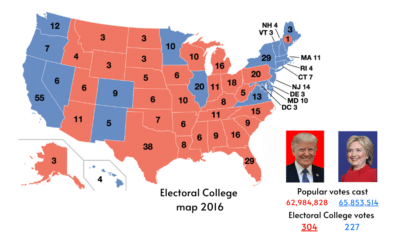
Decoder: How crazy is the U.S. electoral system?
Why the winner of the most votes in the U.S. presidential election might lose the presidency.

Decoder Replay: Could the U.S. and Iran get beyond their animosity?
Change in leadership in the two countries brings the possibility of rapport. But there is a long history of hostility that is hard to overcome.

Correspondents in the Spotlight: John West
Understanding global politics is one thing. But how to explain it without boring us? Journalist John West tells us how he makes the complicated compelling.
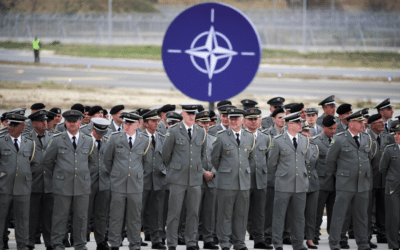
Decoder: Can NATO prevent a third world war?
The mutual defence pact started with 12 nations and now has 32 members. But does bigger mean safer?