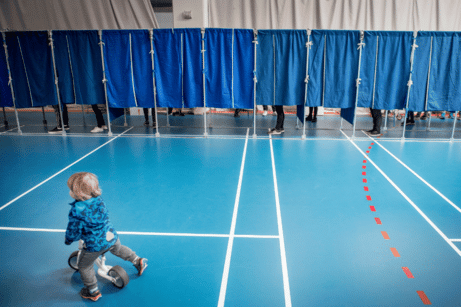
With fjords dying and seas rising, Danish youth will go to the polls knowing the nation’s problems are transnational. People vote at the Groendal Center in Copenhagen during the European Parliament elections in 2019. (AP Photo/Mads Claus Rasmussen/Ritzau...
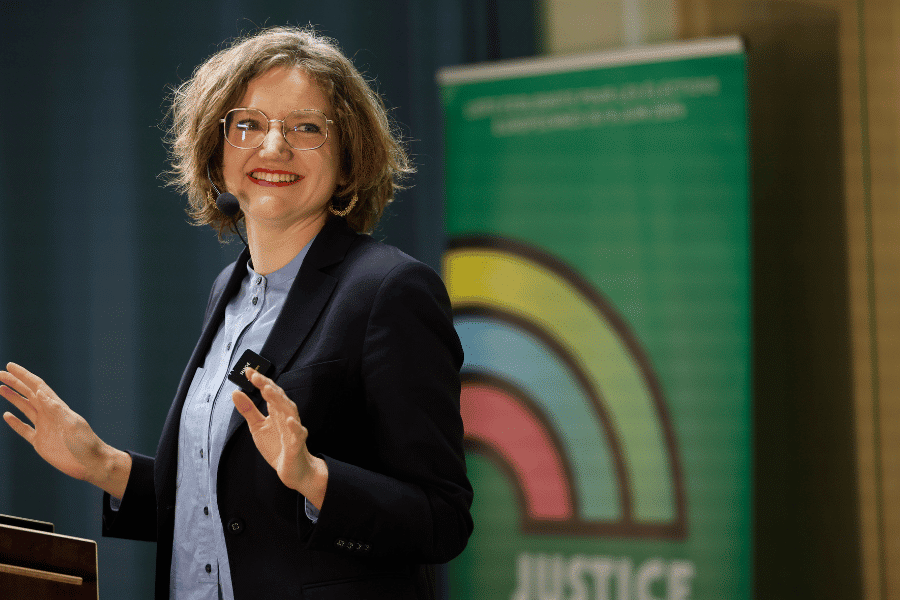
Freedom to travel across borders comes with EU citizenship. But will la jeunesse travel across town to vote as Europeans? French Green Party candidate for the European Elections Marie Toussaint speaks during a campaign rally in Strasbourg, France, 25 April 2024. The...
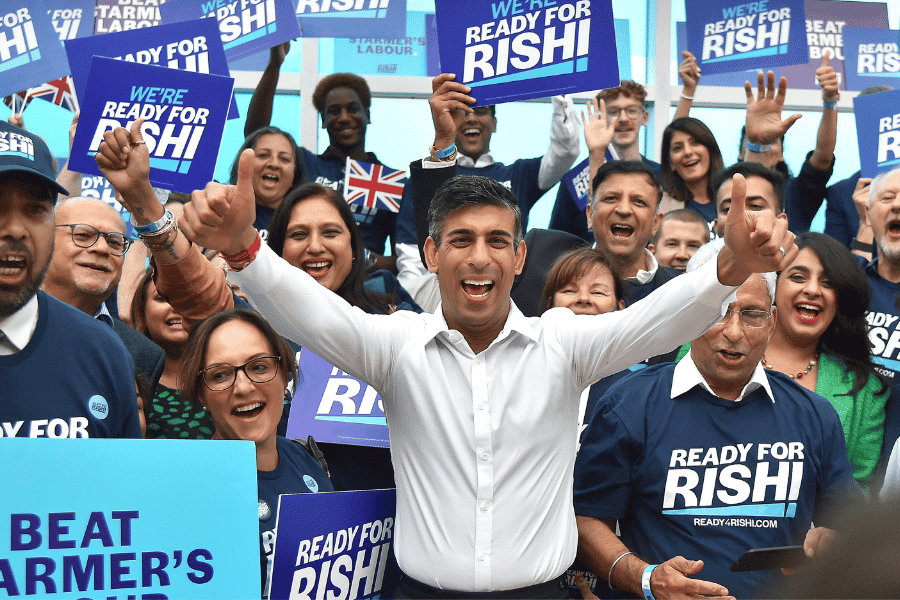
Brexit upended British politics. We look at the chaos that gave Rishi Sunak the office of prime minister as British voters decide whether to let him stay there. Rishi Sunak meets supporters as he arrives to attend a Conservative Party leadership election event in...
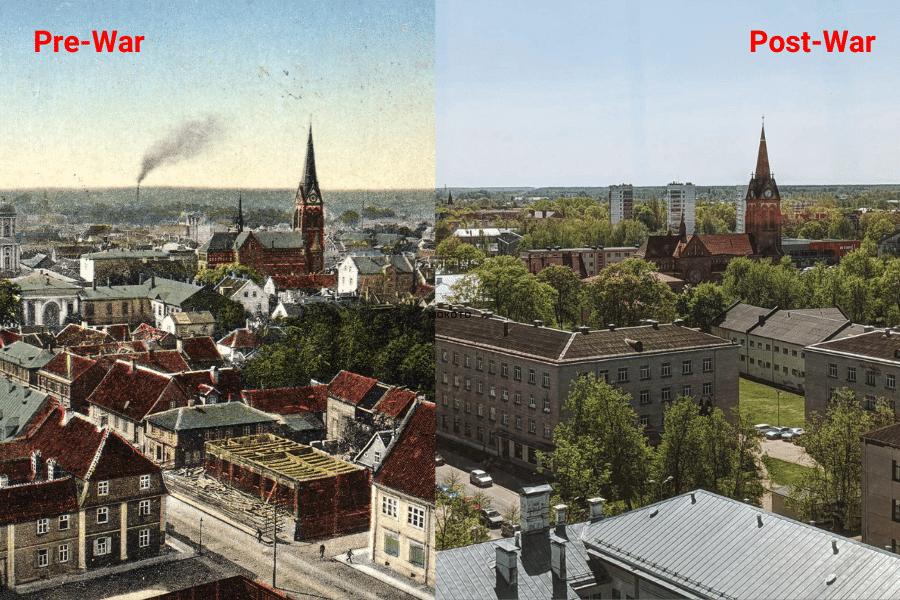
It’s been 34 years since the Soviet Union controlled Latvia, Lithuania and Estonia. But the Ukraine conflict has people thinking: Are we ready for war? Two photos show Jelgava, Latvia. On the left is Jelgava before World War Two (Credit: The Archive of Jelgava...
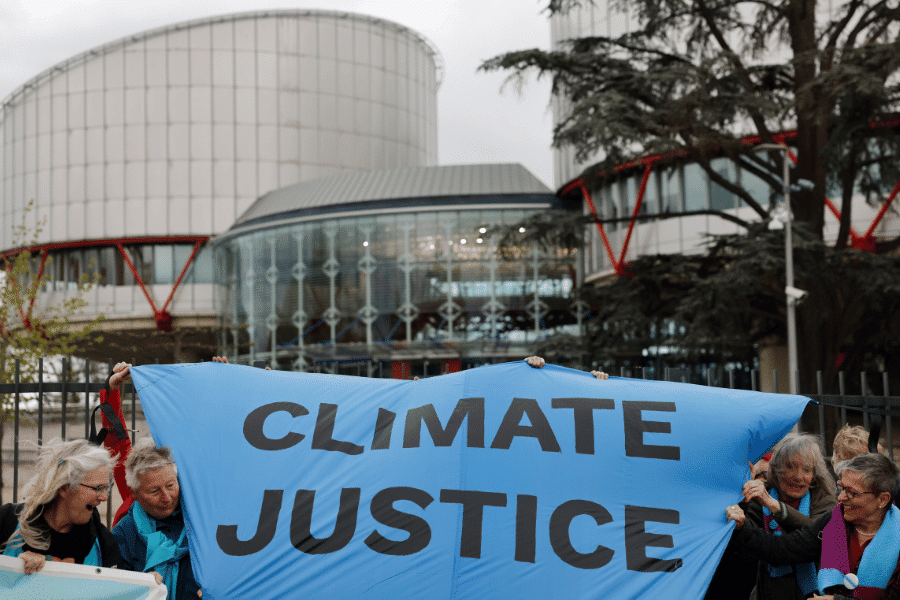
Threats to nature persist despite global efforts to save our planet. But do we have an inalienable right to a habitable planet? People demonstrate outside the European Court of Human Rights, 9 April 2024 in Strasbourg, France. (AP Photo/Jean-Francois Badias)...
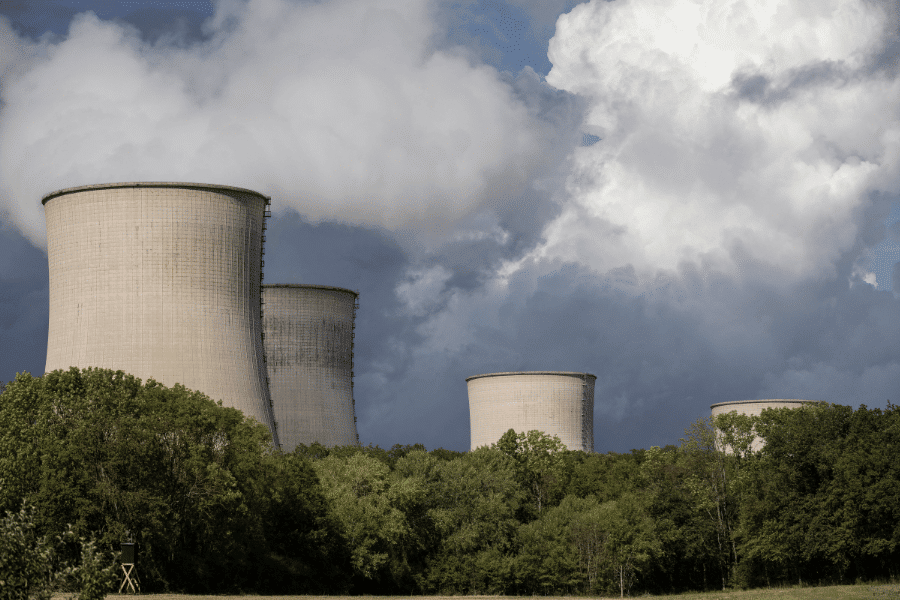
The fear of another Chernobyl makes nuclear energy bad for politics. But with Europe struggling to reduce carbon, is it good for the environment? The Cattenom Nuclear Power Plant in Cattenom, France, 8 September 2022. (AP Photo/Jean-Francois Badias) This...
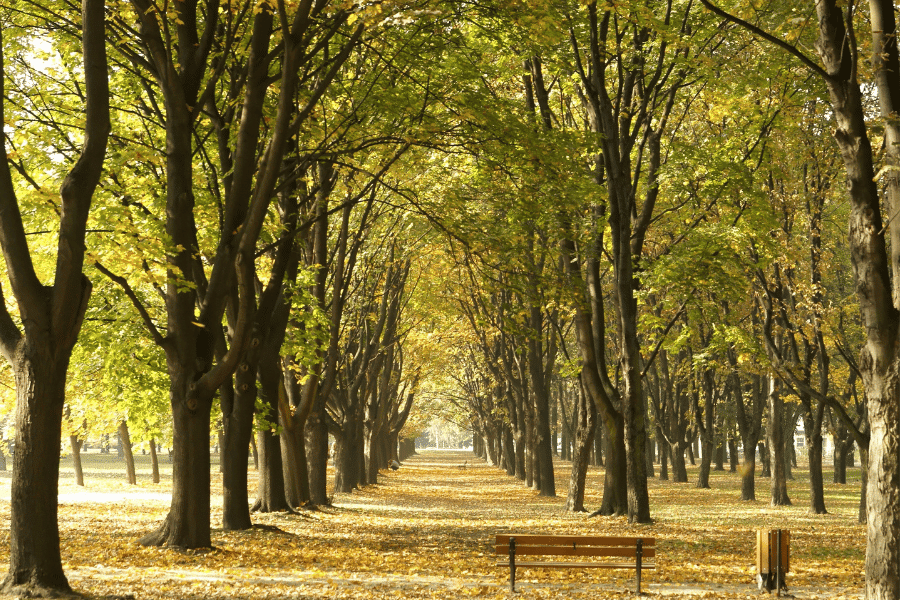
Can we turn from plastic to paper without cutting down more trees? At 16, Valentyn Frechka decided he could make paper from fallen leaves. Trees in an urban forest. (Photo by Tom & Anna on Pixnio) This article, by high school student Danylo Bryhinskyi, was...
Millions of people move from one place to another. When it isn’t just the city that changes but the language and culture, it can be difficult to feel at home. A doormat says “Home Sweet Home.” (Credit: Andy Dean Photography) This article, by high...
There isn’t much of a gender gap in Iceland, except in its maritime industry. But go back in time, and you’ll find women pulling in nets and steering the helm. A painting of Foreman Thurídur by Marian McConnell. Habitually clad in trousers, a rust-coloured...
For the world’s most gender-equal country, Iceland has a maritime industry that is surprisingly gender inequitable. Why and how has the status of Icelandic seafaring women regressed over the years? This piece by Ashley Perl gives an overview. In the article’s accompanying classroom activity, have students try their hand at uncovering the history of traditionally gendered professions in a research assignment well-suited for Women’s History Month.
Exercise: Read the article as a class, and then discuss the factors that have contributed to an increasing gender gap in the fishing and maritime industries in Iceland. Afterwards, have students select a profession that has a large gender imbalance in your country (perhaps teaching, nursing, engineering, etc.). Instruct students to research the history of the profession to see if these gender imbalances were the case historically, too. As part of this assignment, you may consider teaching research skills like assessing source credibility and using databases like Google Scholar.
A heat pump isn’t nearly as sexy as an electric BMW or a floating wind turbine. But on an individual level, it might make a big difference. Flowers grow next to a heat pump installed at a residential house. (Photo by one pony/Getty Images) This article was...